State House District 60

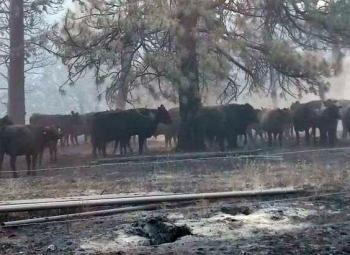
OSU study shows smoke stresses calves

Oregon’s cattle industry is a major part of the state’s agricultural economy. The Oregon Department of Agriculture ranks cattle and calves as Oregon’s No. 2 agricultural commodity, with a production value of about $791.5 ...

May 2026 | Impact Story

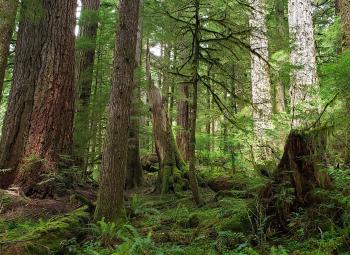
OSU, Forest Service find high wildfire risk for old forests where fire used to be common

Mature and old-growth forests are among the Pacific Northwest’s most valuable natural assets. They store large amounts of carbon, provide wildlife habitat, support water systems and contribute to recreation, tourism and other public...

May 2026 | Impact Story

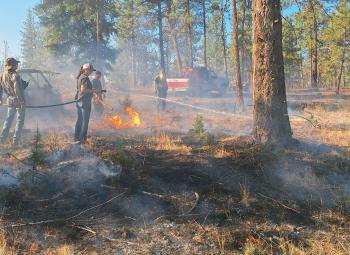
Landowners expand prescribed fire use in Eastern Oregon

More than a century of fire exclusion has reshaped forests and rangelands across Eastern Oregon. Without regular low-intensity fire, fuels have built up, increasing the risk of larger, more severe wildfires. Community-led burning ...

Apr 2026 | Impact Story

OSU Extension grows library partnerships for access to food preservation

Food preservation is a popular practice in Oregon, with more than half of households using methods beyond refrigeration and freezing. It helps families lower food costs, reduce waste and enjoy seasonal foods year-round. These ...

Apr 2026 | Impact Story

Producers gain skills to meet beef market standards

Cattle production is one of Oregon’s leading agricultural commodities. To maintain market access and consumer confidence, beef producers must meet evolving standards for animal health, handling and traceability. The Beef Quality ...

Apr 2026 | Impact Story

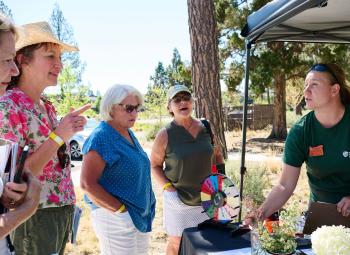
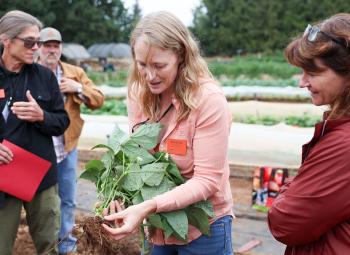
Central Oregon gardeners gain ecological, fire-resistant skills

In Central Oregon, rapid population growth and dry conditions are increasing pressure on water, landscapes and wildfire risk. More homes are being built in the wildland-urban interface, where development meets forests and rangelands. ...

Apr 2026 | Impact Story

OSU Extension develops producer-centered soil health program

Across Oregon, agricultural producers want to improve soil health to strengthen productivity, reduce risk and build resilience. But many still lack practical, trusted guidance to interpret soil health and fertility results and connect...

Apr 2026 | Impact Story

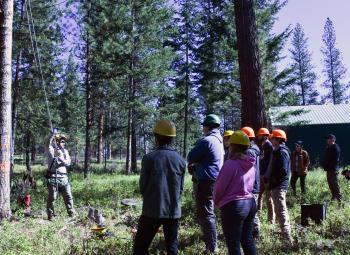
Young adults gain wildfire workforce skills in Eastern Oregon

Communities across Eastern Oregon need more trained workers to reduce wildfire risk and manage forests safely. Fuels reduction, forest restoration and wildfire preparedness work require skilled crews who understand both forestry ...

Mar 2026 | Impact Story

School IPM Program protects health and safety of Oregon children

Asthma is the top cause of absenteeism in U.S. public K–12 schools. In Oregon, common school pests such as mice, cockroaches and flies can trigger asthma and spread diseases including E. coli, Lyme disease and salmonellosis. ...

Mar 2026 | Impact Story

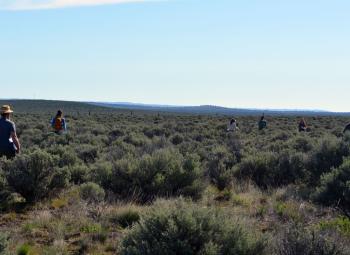
OSU field courses bolster rangeland workforce

The sagebrush biome is the largest native ecosystem in North America and one of the most at risk. Altered fire regimes, expanding juniper and invasive annual grasses have made management more difficult across Oregon and the ...

Mar 2026 | Impact Story