State House District 60

Partnership improves wildfire preparedness across Oregon communities

Oregon’s wildfire risk varies widely by landscape, climate, housing patterns and community capacity. That diversity makes it difficult to rely on a one-size-fits-all approach to training. This project helps Oregon use public ...

Mar 2026 | Impact Story

OSU helps Oregon strengthen invasive species defense

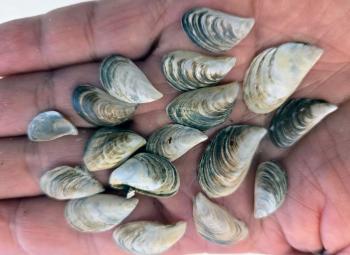
Invasive species are nonnative plants and animals that can spread quickly and cause environmental or economic harm. In Oregon, they harm agriculture, aquaculture and forests, damage infrastructure, habitats, outcompete native species for...

Mar 2026 | Impact Story

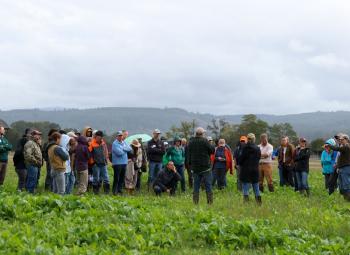
OSU symposium strengthens Oregon pasture resilience

Pasture, hay and forage crops cover a large share of Oregon’s agricultural landscape. In 2024, growers harvested more than 1 million acres of hay and grazed more than 250,000 acres of irrigated pastureland. Even so, forage ...

Mar 2026 | Impact Story

OSU Extension guides postfire recovery planning for Eastern Oregon rangelands

More than 1.8 million acres burned in Eastern Oregon during the 2024 fire season, creating urgent needs for communities and landowners. People needed evacuation information, alternative feed for livestock and clear points of contact...

Mar 2026 | Impact Story

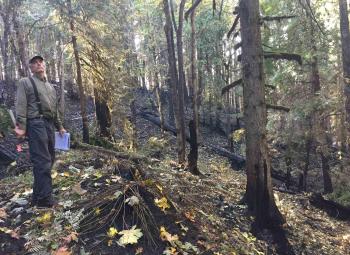
Postfire survey tools help landowners restore forests after wildfire

Severe wildfires have affected more than 6,000 landowners in Oregon since 2020, and postfire restoration on private, nonindustrial forestlands has been uneven statewide. To better understand what helps landowners restore their ...

Mar 2026 | Impact Story

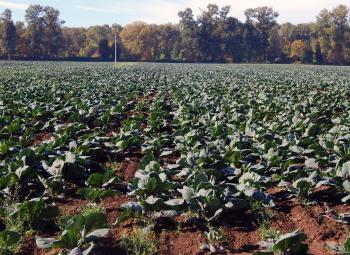
OSU survey guides weed strategy for vegetable seed production

Vegetable specialty seed production is a cornerstone of agriculture in the Pacific Northwest. More than 170 seed crops — including brassicas, spinach, radish, carrot, onion and many others — are grown on relatively small ...

Mar 2026 | Impact Story

OSU studies reveal hemp byproduct shows promise as cattle feed

Oregon’s hemp industry generates a large volume of spent hemp biomass — the leftover plant material after cannabidiol is extracted. The material has a strong nutrient profile and could serve as a cost-competitive alternative to...

Feb 2026 | Impact Story

OSU Extension trains Malheur youths in suicide prevention

Youths in Malheur County face growing mental health challenges, but timely support can be hard to access in a rural county with too few providers. Local data underscores the need: 21% of adults report frequent mental distress,...

Feb 2026 | Impact Story

OSU research shows seasonal farm practices influence raw milk quality

Raw milk naturally contains microorganisms. Most are harmless, but higher microbial levels can shorten shelf life, complicate processing and signal hygiene problems that raise costs for farms and processors. For Oregon’s dairy ...

Feb 2026 | Impact Story

OSU studies reveal when and how carrot disease spreads

In the high desert of Central Oregon, farmers produce some of the world’s most valuable hybrid carrot seed. But their fields face a persistent and costly threat: a plant disease called bacterial blight, caused by the ...

Feb 2026 | Impact Story