Research shows that while 80% of community college students intend to earn a bachelor’s degree, only 25% transfer to a four-year college within five years — and just 17% earn a bachelor’s degree within six years of ...
Data show that among school-age children, low physical activity, poor diet, and extended periods of inactivity are associated not only with poor health but also with poor educational outcomes. In 2007, Oregon passed a law ...
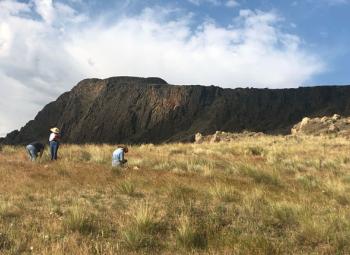
Invasive grasses — often called “fine fuels” — pose a major wildfire threat and jeopardize the biodiversity of the Northern Great Basin, including Malheur County. These fast-growing grasses outcompete native plants, dry out ...
Forest managers in the Pacific Northwest face the challenge of balancing timber harvests with maximizing carbon storage. Carbon stored in forests helps offset climate change — U.S. forests absorb about 13% of the country’s ...
Malheur County, along Oregon’s eastern border with Idaho, is known for its vast high-desert landscape and agricultural heritage. But it also faces deep economic challenges. With the second-highest child poverty rate in Oregon — ...
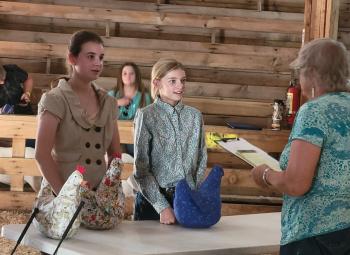
When highly pathogenic avian influenza (HPAI) was first detected in Oregon in May 2022, commercial poultry farms were forced to cull infected birds, backyard chicken owners worried about their flocks, and 4-H members faced ...
Regular physical activity helps older adults maintain strength, mobility and cognitive health while reducing the risk of chronic disease. Still, 27.3% of adults in Malheur County report no leisure-time physical activity, a rate ...
Stinging nettle is a plant that can sting and cause welts, but when the sting is removed a traditional “superfood” emerges. Native Indigenous peoples have gathered stinging nettles since time immemorial. They can be used ...
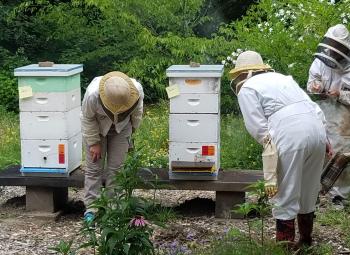
As people increasingly recognize the vital role honeybees play in pollinating key crops, there's a growing interest in raising them in backyards. To support this enthusiasm, the Oregon State University Extension Service launched the...
Scientists estimate there’s a 37% chance that a magnitude 8.0 or greater earthquake will strike off the Pacific Northwest coast in the next 50 years. When it happens, the Cascadia Subduction Zone event — and the tsunami ...