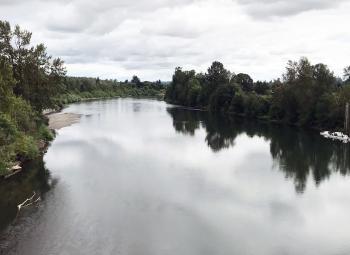
The Willamette River Basin is Oregon’s most populated watershed and supports much of the state’s agriculture, industry, transportation and fish and wildlife habitat. In the coming decades, the basin is expected to face increasing...
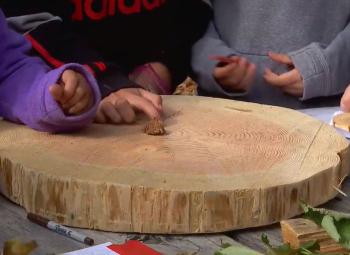
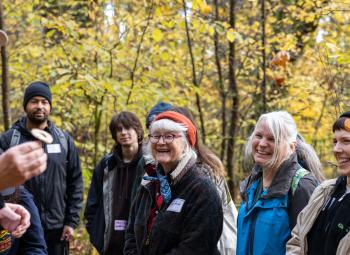
Clatsop County is 87% forestland, with a mix of public and private ownership. Though the area is rich in natural resources, many local students and families may not be aware of the career opportunities nearby. The program ...
Across Jackson County and much of Oregon, restoration and conservation projects often outpace the funding and staff capacity needed to monitor them. At the same time, high school students beginning to consider their future career ...
Asthma is the top cause of absenteeism in U.S. public K–12 schools. In Oregon, common school pests such as mice, cockroaches and flies can trigger asthma and spread diseases including E. coli, Lyme disease and salmonellosis. ...
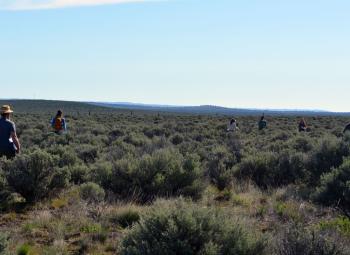
The sagebrush biome is the largest native ecosystem in North America and one of the most at risk. Altered fire regimes, expanding juniper and invasive annual grasses have made management more difficult across Oregon and the ...
Mar 2026 |
Impact Story
Credit: Oregon Sea Grant Extension (Cropped from original)
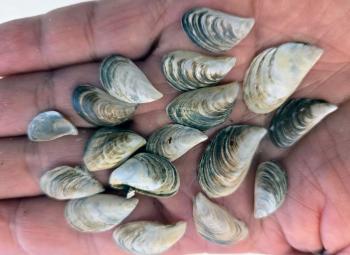
Invasive species are nonnative plants and animals that can spread quickly and cause environmental or economic harm. In Oregon, they harm agriculture, aquaculture and forests, damage infrastructure, habitats, outcompete native species for...
Mar 2026 |
Impact Story
Photo: USDA Forest Service, Region 6, State and Private Forestry, Forest Health Protection (Cropped from original)
Sudden oak death has killed tanoaks and oaks along the West Coast for decades, altering forests, wildlife habitat and cultural resources. In southwest Oregon, it forces hard choices about quarantine, eradication and how to protect...
Mar 2026 |
Impact Story
Credit: Katterlea MacGregor (Cropped from original)
The Oregon State University College of Forestry owns and manages the McDonald-Dunn Research Forest, an 11,500-acre, heavily visited forest north of Corvallis. After three years of collaboration among scientists, educators, tribes and ...
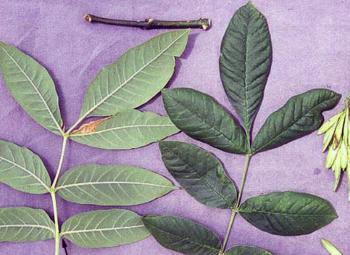
Oregon ash (Fraxinus latifolia) is an ecologically important West Coast tree that may disappear from much of its range — from British Columbia to California — as emerald ash borer, an invasive insect, spreads in North ...
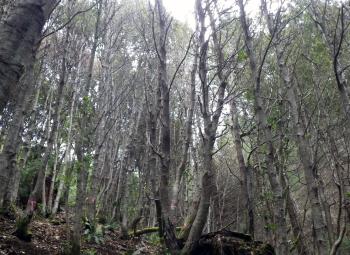
The 2021 “heat dome” brought record heat to the Pacific Northwest, stressing forests at a scale few managers had seen before. Extreme heat can scorch foliage in the forest canopy, reducing photosynthesis and leaving trees ...