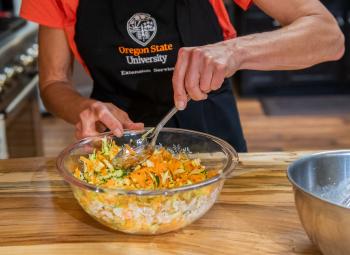
Many low-income families face barriers to finding affordable, healthy food and building the skills and confidence needed to cook nutritious meals at home. In communities with limited resources, families may rely on lower-cost options...
Feb 2026 |
Impact Story
Credit: Daria Van De Grift (Cropped from original)
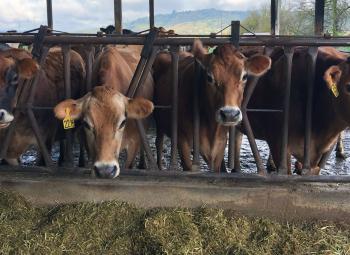
Raw milk naturally contains microorganisms. Most are harmless, but higher microbial levels can shorten shelf life, complicate processing and signal hygiene problems that raise costs for farms and processors. For Oregon’s dairy ...
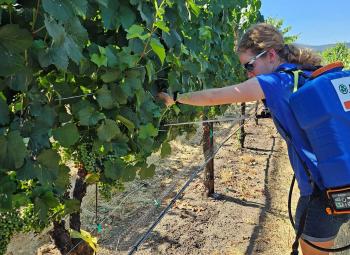
Spotted-wing drosophila is a small fruit fly that can ruin berries right before harvest. Unlike the fruit flies many people know from kitchens, it can lay eggs in firm, ripening fruit still on the plant. The eggs hatch into...
Feb 2026 |
Impact Story
Credit: Natural Resources Conservation Service (Cropped from original)
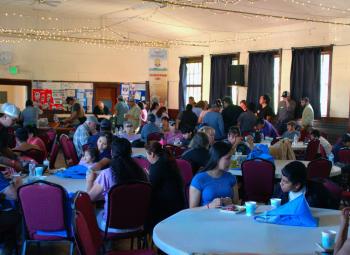
Wildfire risk continues to increase across Oregon, but access to preparedness education is not evenly distributed. Spanish-speaking renters, farmworkers and forest workers often face barriers that limit their ability to prepare for, ...
Wildfire smoke is a growing risk for wine grapes in Oregon and across the West. When smoke reaches vineyards near harvest, grapes can take in smoke compounds that later affect wine flavor and aroma. In bad years, growers ...
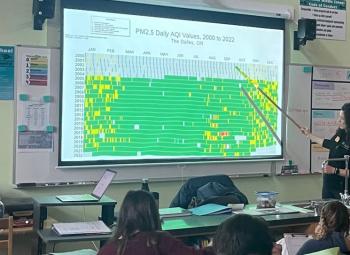
Wildfire smoke has become a recurring health concern in the Columbia River Gorge. The 2020 Labor Day fires brought hazardous air quality levels to the region, breaking previous records. In 2017, the Eagle Creek Fire also ...
In the high desert of Central Oregon, farmers produce some of the world’s most valuable hybrid carrot seed. But their fields face a persistent and costly threat: a plant disease called bacterial blight, caused by the ...
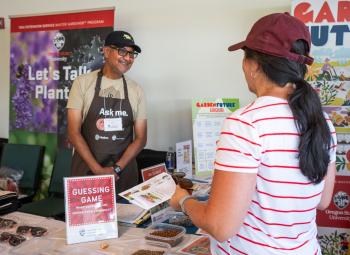
In 2024, Oregon State University Extension Service Master Gardener volunteers met Oregonians where they were. Across the state, people were looking for affordable, healthy food, practical and culturally meaningful gardening education, ...
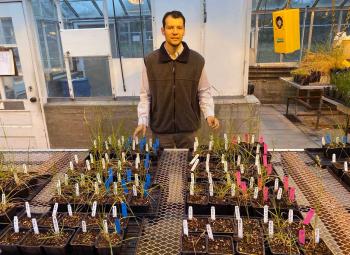
Weeds pose a serious threat to Oregon agriculture. They reduce yields, lower seed and grain quality, and can keep shipments from meeting market standards. This challenge is statewide although its impacts vary by region. The ...
Oct 2025 |
Impact Story
Credit: Oregon State University (Cropped from original)
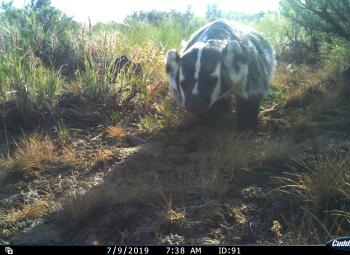
The sagebrush ecosystem — a vast, dry landscape that supports hundreds of wildlife species and livelihoods in the West — is shrinking and changing. Livestock grazing is the dominant land-use across much of this ecosystem. ...