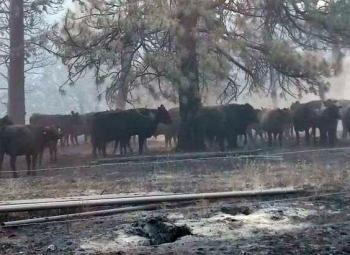
Oregon’s cattle industry is a major part of the state’s agricultural economy. The Oregon Department of Agriculture ranks cattle and calves as Oregon’s No. 2 agricultural commodity, with a production value of about $791.5 ...
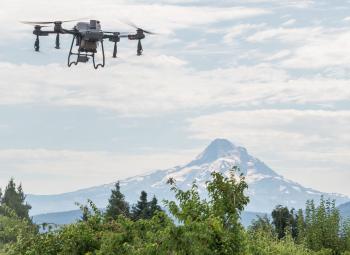
Pear, cherry and apple production are vital to Oregon’s rural economy, with cherry production valued at $68 million and pear production at $90.8 million. But the tree fruit industry faces growing pressure from climate change, ...
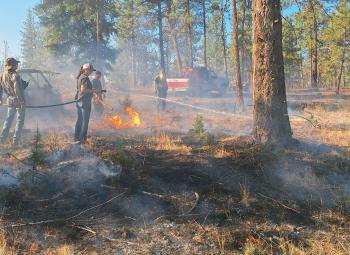
More than a century of fire exclusion has reshaped forests and rangelands across Eastern Oregon. Without regular low-intensity fire, fuels have built up, increasing the risk of larger, more severe wildfires. Community-led burning ...
Food preservation is a popular practice in Oregon, with more than half of households using methods beyond refrigeration and freezing. It helps families lower food costs, reduce waste and enjoy seasonal foods year-round. These ...
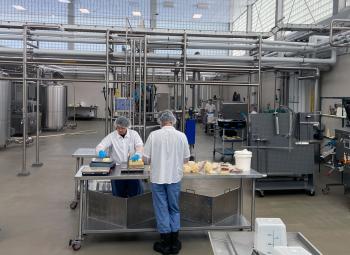
Oregon’s dairy industry is a major contributor to the state’s economy, generating hundreds of millions of dollars in annual sales and supporting jobs in production, processing and value-added products. By helping processors meet ...
Cattle production is one of Oregon’s leading agricultural commodities. To maintain market access and consumer confidence, beef producers must meet evolving standards for animal health, handling and traceability. The Beef Quality ...
Apr 2026 |
Impact Story
Credit: Kenton Waltz Photography (Cropped from original)
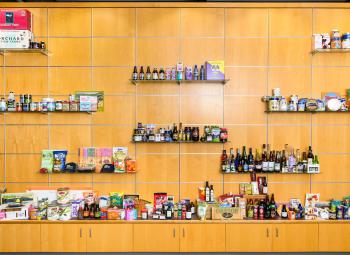
Oregon’s food and beverage industry is a major economic driver, but it faces growing challenges tied to efficiency, sustainability and coordination across the supply chain. By aligning research with industry needs and building ...
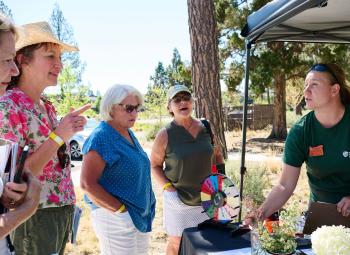
In Central Oregon, rapid population growth and dry conditions are increasing pressure on water, landscapes and wildfire risk. More homes are being built in the wildland-urban interface, where development meets forests and rangelands. ...
Wildfires are increasingly impacting agricultural lands in Eastern Oregon due to a changing climate, invasive annual grasses and evolving farming practices. Dryland wheat producers have adopted no-till systems to reduce erosion and ...
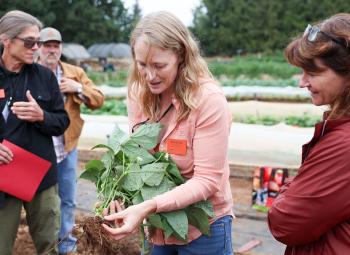
Across Oregon, agricultural producers want to improve soil health to strengthen productivity, reduce risk and build resilience. But many still lack practical, trusted guidance to interpret soil health and fertility results and connect...