State Senate District 29

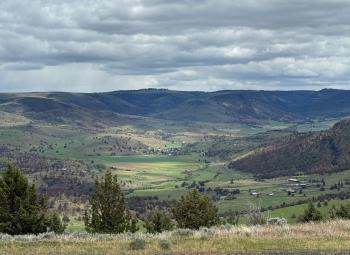
Gilliam County producers gain tools and guidance

Gilliam County in north-central Oregon is one of the state’s leading dryland wheat-producing regions and part of the Columbia Plateau’s grain belt. The county’s rolling wheat fields support a large share of its agricultural ...

Mar 2026 | Impact Story

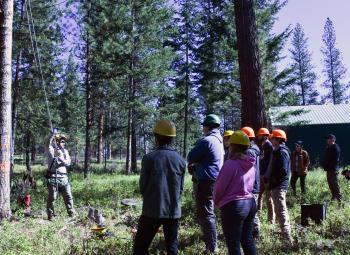
Young adults gain wildfire workforce skills in Eastern Oregon

Communities across Eastern Oregon need more trained workers to reduce wildfire risk and manage forests safely. Fuels reduction, forest restoration and wildfire preparedness work require skilled crews who understand both forestry ...

Mar 2026 | Impact Story

School IPM Program protects health and safety of Oregon children

Asthma is the top cause of absenteeism in U.S. public K–12 schools. In Oregon, common school pests such as mice, cockroaches and flies can trigger asthma and spread diseases including E. coli, Lyme disease and salmonellosis. ...

Mar 2026 | Impact Story

OSU Extension helps lead X-disease response in cherries

Oregon is the third-largest producer of sweet cherries in the United States, supplying about 11% of the national market. The state’s sweet cherry industry was valued at $72.5 million in 2024, with most production concentrated ...

Mar 2026 | Impact Story

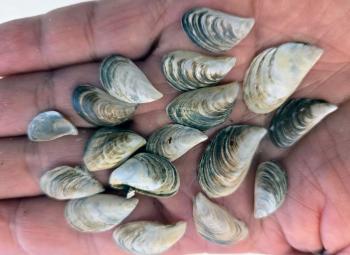
OSU helps Oregon strengthen invasive species defense

Invasive species are nonnative plants and animals that can spread quickly and cause environmental or economic harm. In Oregon, they harm agriculture, aquaculture and forests, damage infrastructure, habitats, outcompete native species for...

Mar 2026 | Impact Story

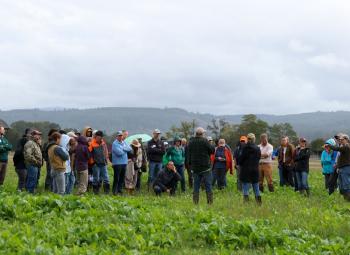
OSU symposium strengthens Oregon pasture resilience

Pasture, hay and forage crops cover a large share of Oregon’s agricultural landscape. In 2024, growers harvested more than 1 million acres of hay and grazed more than 250,000 acres of irrigated pastureland. Even so, forage ...

Mar 2026 | Impact Story

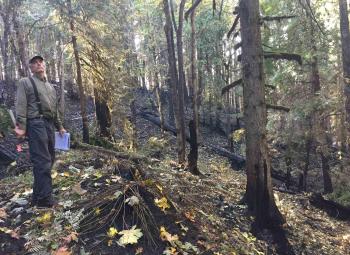
Postfire survey tools help landowners restore forests after wildfire

Severe wildfires have affected more than 6,000 landowners in Oregon since 2020, and postfire restoration on private, nonindustrial forestlands has been uneven statewide. To better understand what helps landowners restore their ...

Mar 2026 | Impact Story

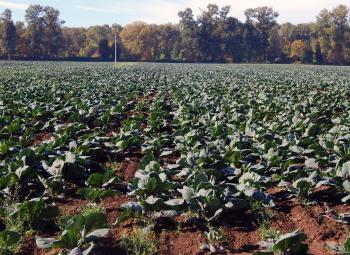
OSU survey guides weed strategy for vegetable seed production

Vegetable specialty seed production is a cornerstone of agriculture in the Pacific Northwest. More than 170 seed crops — including brassicas, spinach, radish, carrot, onion and many others — are grown on relatively small ...

Mar 2026 | Impact Story

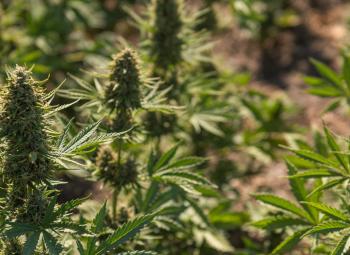
OSU study helps hemp growers save water without sacrificing CBD yield

Floral hemp production expanded rapidly after the 2018 federal farm bill, but practical production guidelines have lagged, especially in semi-arid regions where water is limited and irrigation costs are rising. Many growers assumed ...

Mar 2026 | Impact Story

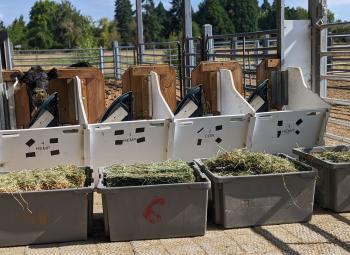
OSU studies reveal hemp byproduct shows promise as cattle feed

Oregon’s hemp industry generates a large volume of spent hemp biomass — the leftover plant material after cannabidiol is extracted. The material has a strong nutrient profile and could serve as a cost-competitive alternative to...

Feb 2026 | Impact Story