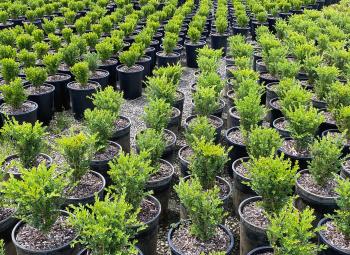
Boxwood blight causes serious losses in nursery production by making plants unsalable and increasing management costs. Oregon is the nation’s leading producer of boxwood, supplying about one-fifth of the U.S. market, so disease ...
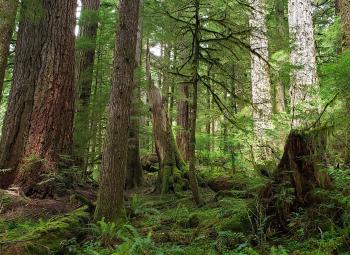
Mature and old-growth forests are among the Pacific Northwest’s most valuable natural assets. They store large amounts of carbon, provide wildlife habitat, support water systems and contribute to recreation, tourism and other public...
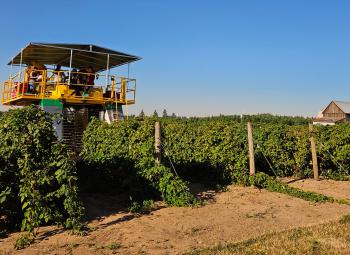
Oregon is a leading production state for machine-harvested trailing blackberries, an industry that supports growers, processors and rural communities. ‘Columbia Star’ has quickly become one of the region’s most widely planted ...
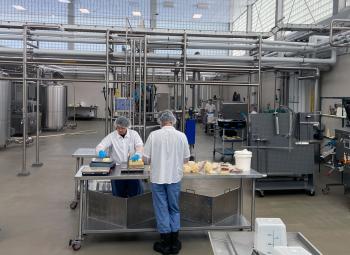
Oregon’s dairy industry is a major contributor to the state’s economy, generating hundreds of millions of dollars in annual sales and supporting jobs in production, processing and value-added products. By helping processors meet ...
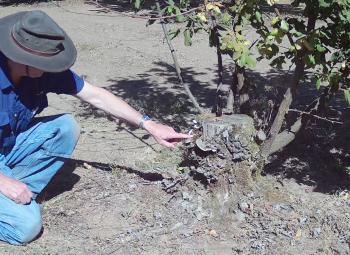
Oregon is the center of the U.S. hazelnut industry, and the crop is an important driver of farm income, processing activity and rural economic vitality in the Willamette Valley. Hazelnuts support growers, nurseries, processors, ...
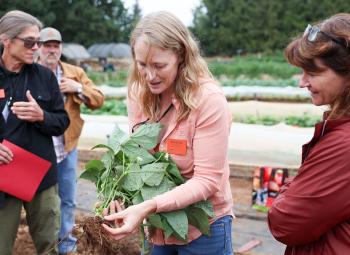
Across Oregon, agricultural producers want to improve soil health to strengthen productivity, reduce risk and build resilience. But many still lack practical, trusted guidance to interpret soil health and fertility results and connect...
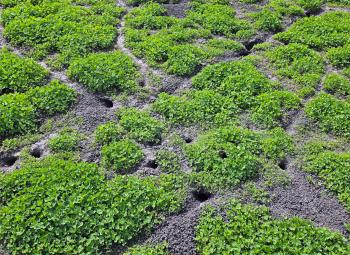
Gray-tailed voles are a recurring pest in Oregon agriculture and can cause serious crop damage when populations surge. In the Willamette Valley, grass seed fields provide prime habitat. By identifying shared priorities and ...
Asthma is the top cause of absenteeism in U.S. public K–12 schools. In Oregon, common school pests such as mice, cockroaches and flies can trigger asthma and spread diseases including E. coli, Lyme disease and salmonellosis. ...
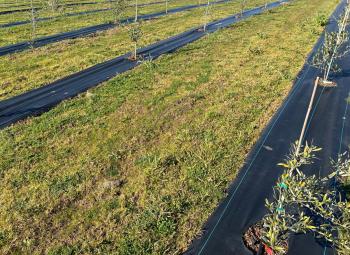
Interest in growing olives — a high-value specialty crop — is increasing in Oregon. However, research-based information on cultivar selection and production practices for the state is limited. Primary challenges include damage from...
Mar 2026 |
Impact Story
Credit: Oregon Sea Grant Extension (Cropped from original)
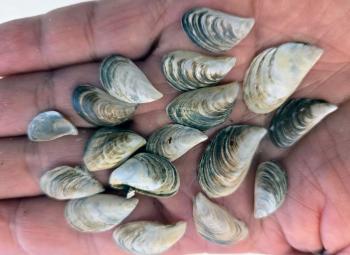
Invasive species are nonnative plants and animals that can spread quickly and cause environmental or economic harm. In Oregon, they harm agriculture, aquaculture and forests, damage infrastructure, habitats, outcompete native species for...