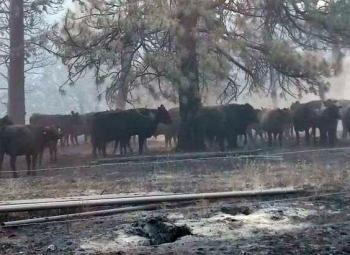
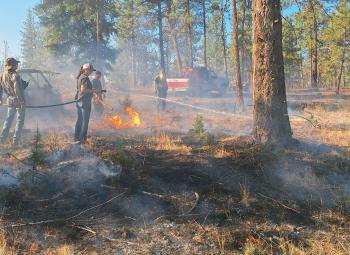
More than a century of fire exclusion has reshaped forests and rangelands across Eastern Oregon. Without regular low-intensity fire, fuels have built up, increasing the risk of larger, more severe wildfires. Community-led burning ...
Cattle production is one of Oregon’s leading agricultural commodities. To maintain market access and consumer confidence, beef producers must meet evolving standards for animal health, handling and traceability. The Beef Quality ...
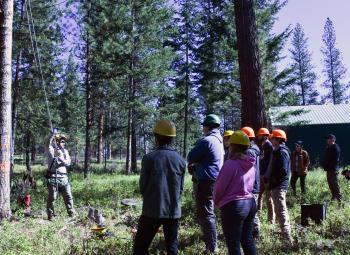
Communities across Eastern Oregon need more trained workers to reduce wildfire risk and manage forests safely. Fuels reduction, forest restoration and wildfire preparedness work require skilled crews who understand both forestry ...
Asthma is the top cause of absenteeism in U.S. public K–12 schools. In Oregon, common school pests such as mice, cockroaches and flies can trigger asthma and spread diseases including E. coli, Lyme disease and salmonellosis. ...
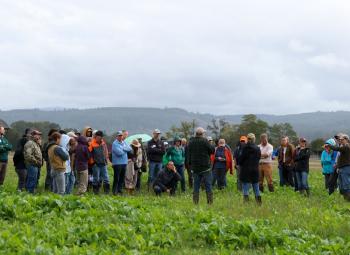
Pasture, hay and forage crops cover a large share of Oregon’s agricultural landscape. In 2024, growers harvested more than 1 million acres of hay and grazed more than 250,000 acres of irrigated pastureland. Even so, forage ...
Food preservation is a popular hobby in Oregon, but it is also an important way that households can lower their food budget, reduce food waste and enjoy seasonal delicacies year-round. Particularly in rural areas, where grocery ...
Farmers and ranchers face intense stress from crop failures, market changes, unpredictable weather, injuries and more. These pressures contribute to rising rates of depression — and, too often, suicide. According to the Centers for...
Oregon’s farmers continue to suffer losses from drought, heat waves, wildfire and other climate-related challenges. Traditional crop insurance and relief programs often don’t meet the needs of small-scale farmers who grow a wide ...
May 2025 |
Impact Story
Credit Oregon State University (Cropped from original)
Oregon’s grass seed industry, valued at $639.1 million in 2022, ranks fifth among the state's top agricultural commodities. While commissions have long supported research for ryegrass, tall fescue, fine fescue, orchardgrass and ...
May 2025 |
Impact Story
Credit: Kaci Radcliffe, The Nature Conservancy (Cropped from original)
Fire is broadly considered an important functional process in forests, rangelands and most other ecosystems. The reduction of periodic fire due to extensive fire suppression practices has been one of the major drivers of ecosystem...