Klamath

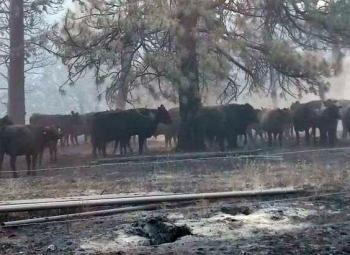
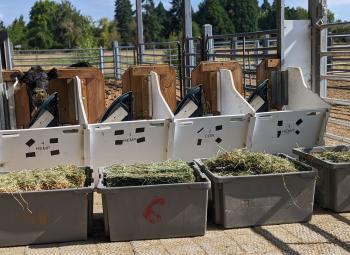
OSU study shows smoke stresses calves

Oregon’s cattle industry is a major part of the state’s agricultural economy. The Oregon Department of Agriculture ranks cattle and calves as Oregon’s No. 2 agricultural commodity, with a production value of about $791.5 ...

May 2026 | Impact Story

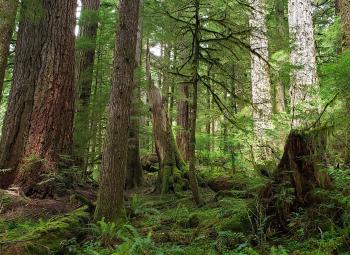
OSU, Forest Service find high wildfire risk for old forests where fire used to be common

Mature and old-growth forests are among the Pacific Northwest’s most valuable natural assets. They store large amounts of carbon, provide wildlife habitat, support water systems and contribute to recreation, tourism and other public...

May 2026 | Impact Story

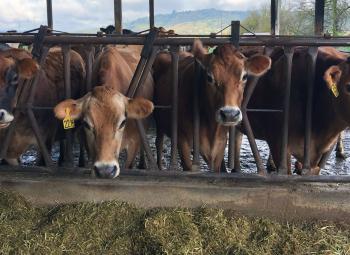
Producers gain skills to meet beef market standards

Cattle production is one of Oregon’s leading agricultural commodities. To maintain market access and consumer confidence, beef producers must meet evolving standards for animal health, handling and traceability. The Beef Quality ...

Apr 2026 | Impact Story

School IPM Program protects health and safety of Oregon children

Asthma is the top cause of absenteeism in U.S. public K–12 schools. In Oregon, common school pests such as mice, cockroaches and flies can trigger asthma and spread diseases including E. coli, Lyme disease and salmonellosis. ...

Mar 2026 | Impact Story

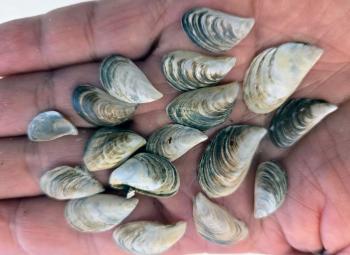
OSU helps Oregon strengthen invasive species defense

Invasive species are nonnative plants and animals that can spread quickly and cause environmental or economic harm. In Oregon, they harm agriculture, aquaculture and forests, damage infrastructure, habitats, outcompete native species for...

Mar 2026 | Impact Story

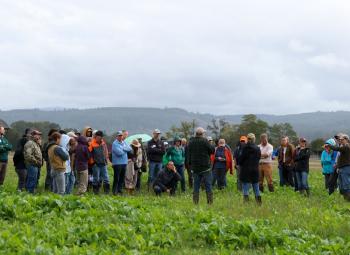
OSU symposium strengthens Oregon pasture resilience

Pasture, hay and forage crops cover a large share of Oregon’s agricultural landscape. In 2024, growers harvested more than 1 million acres of hay and grazed more than 250,000 acres of irrigated pastureland. Even so, forage ...

Mar 2026 | Impact Story

OSU studies reveal hemp byproduct shows promise as cattle feed

Oregon’s hemp industry generates a large volume of spent hemp biomass — the leftover plant material after cannabidiol is extracted. The material has a strong nutrient profile and could serve as a cost-competitive alternative to...

Feb 2026 | Impact Story

OSU research shows seasonal farm practices influence raw milk quality

Raw milk naturally contains microorganisms. Most are harmless, but higher microbial levels can shorten shelf life, complicate processing and signal hygiene problems that raise costs for farms and processors. For Oregon’s dairy ...

Feb 2026 | Impact Story

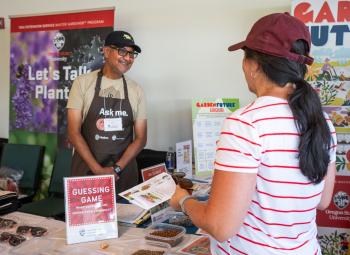
Master Gardener volunteers grow food, knowledge and community across Oregon

In 2024, Oregon State University Extension Service Master Gardener volunteers met Oregonians where they were. Across the state, people were looking for affordable, healthy food, practical and culturally meaningful gardening education, ...

Nov 2025 | Impact Story

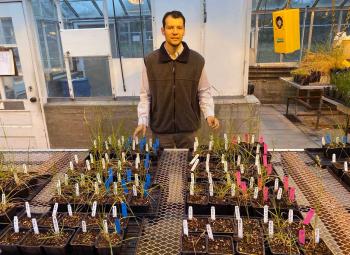
OSU survey highlights weed challenges in Oregon agriculture

Weeds pose a serious threat to Oregon agriculture. They reduce yields, lower seed and grain quality, and can keep shipments from meeting market standards. This challenge is statewide although its impacts vary by region. The ...

Oct 2025 | Impact Story