Jefferson

Producers gain skills to meet beef market standards

Cattle production is one of Oregon’s leading agricultural commodities. To maintain market access and consumer confidence, beef producers must meet evolving standards for animal health, handling and traceability. The Beef Quality ...

Apr 2026 | Impact Story

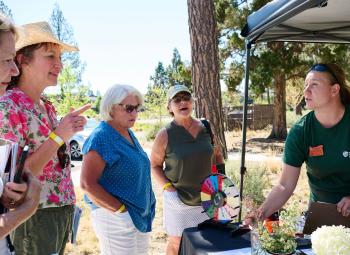
Central Oregon gardeners gain ecological, fire-resistant skills

In Central Oregon, rapid population growth and dry conditions are increasing pressure on water, landscapes and wildfire risk. More homes are being built in the wildland-urban interface, where development meets forests and rangelands. ...

Apr 2026 | Impact Story

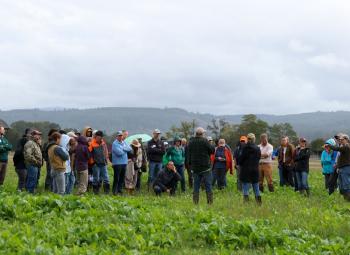
Farmers build skills to reduce wildfire risk

Wildfires are increasingly impacting agricultural lands in Eastern Oregon due to a changing climate, invasive annual grasses and evolving farming practices. Dryland wheat producers have adopted no-till systems to reduce erosion and ...

Apr 2026 | Impact Story

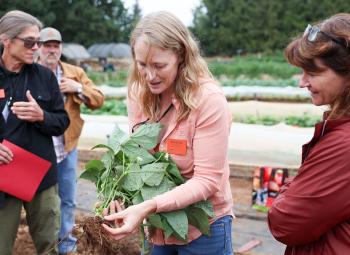
OSU Extension develops producer-centered soil health program

Across Oregon, agricultural producers want to improve soil health to strengthen productivity, reduce risk and build resilience. But many still lack practical, trusted guidance to interpret soil health and fertility results and connect...

Apr 2026 | Impact Story

School IPM Program protects health and safety of Oregon children

Asthma is the top cause of absenteeism in U.S. public K–12 schools. In Oregon, common school pests such as mice, cockroaches and flies can trigger asthma and spread diseases including E. coli, Lyme disease and salmonellosis. ...

Mar 2026 | Impact Story

OSU symposium strengthens Oregon pasture resilience

Pasture, hay and forage crops cover a large share of Oregon’s agricultural landscape. In 2024, growers harvested more than 1 million acres of hay and grazed more than 250,000 acres of irrigated pastureland. Even so, forage ...

Mar 2026 | Impact Story

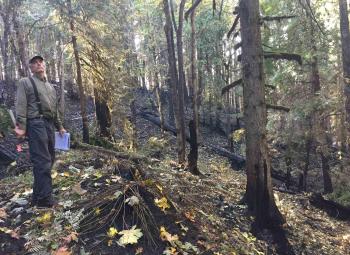
Postfire survey tools help landowners restore forests after wildfire

Severe wildfires have affected more than 6,000 landowners in Oregon since 2020, and postfire restoration on private, nonindustrial forestlands has been uneven statewide. To better understand what helps landowners restore their ...

Mar 2026 | Impact Story

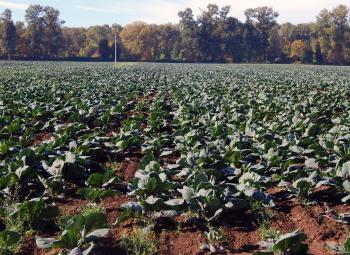
OSU survey guides weed strategy for vegetable seed production

Vegetable specialty seed production is a cornerstone of agriculture in the Pacific Northwest. More than 170 seed crops — including brassicas, spinach, radish, carrot, onion and many others — are grown on relatively small ...

Mar 2026 | Impact Story

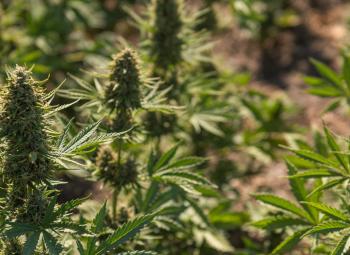
OSU study helps hemp growers save water without sacrificing CBD yield

Floral hemp production expanded rapidly after the 2018 federal farm bill, but practical production guidelines have lagged, especially in semi-arid regions where water is limited and irrigation costs are rising. Many growers assumed ...

Mar 2026 | Impact Story

OSU studies reveal when and how carrot disease spreads

In the high desert of Central Oregon, farmers produce some of the world’s most valuable hybrid carrot seed. But their fields face a persistent and costly threat: a plant disease called bacterial blight, caused by the ...

Feb 2026 | Impact Story