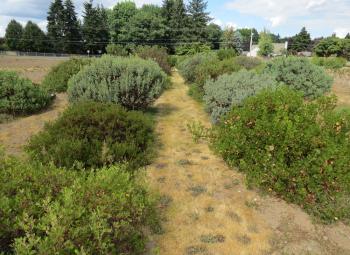
As climate change transforms the weather in Western Oregon, more nursery owners, landscapers and home gardeners are looking for plants that are fully drought tolerant and cold hardy. Development of genuinely low-input landscapes will...
Stinging nettle is a plant that can sting and cause welts, but when the sting is removed a traditional “superfood” emerges. Native Indigenous peoples have gathered stinging nettles since time immemorial. They can be used ...
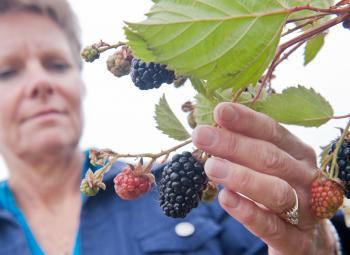
Over the past two decades, the Oregon State University Extension Service and the Oregon Agricultural Experiment Station have focused research on fertilizer practices for blueberries, raspberries, blackberries, strawberries and kiwiberries. ...
Scientists estimate there’s a 37% chance that a magnitude 8.0 or greater earthquake will strike off the Pacific Northwest coast in the next 50 years. When it happens, the Cascadia Subduction Zone event — and the tsunami ...
In response to longer and more severe wildfire seasons, a growing population living in the wildland-urban interface and the extensive impacts of the 2020 Labor Day fires, the Oregon Legislature passed Senate Bill 762 in 2021, ...
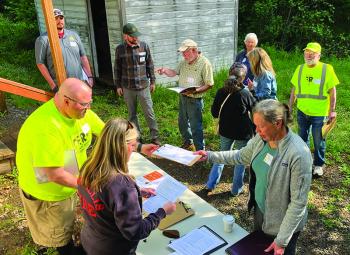
As a land grant university, Oregon State University takes research and innovation out of the labs and puts them into practice in the communities and landscapes around the state through Extension programs. While OSU’s influence ...
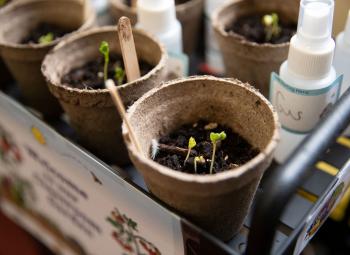
Farm-to-school educational opportunities have been shown to result in positive impacts on young people, including introducing them to creative ways of learning about how to grow their own food and understanding a local food system....
Antibiotics are a powerful tool against bacterial disease, but widespread use in people and animals has led some bacteria to evolve into drug‑resistant strains. Each year in the United States, more than 2.8 million ...
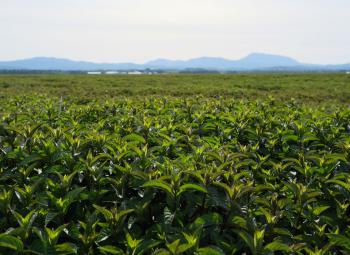
Oregon is the nation’s third-leading producer of peppermint, harvesting approximately 840,000 pounds with a crop value of $28.7 million in 2022. But pests like mint root borer and variegated cutworm threaten crop yields and ...
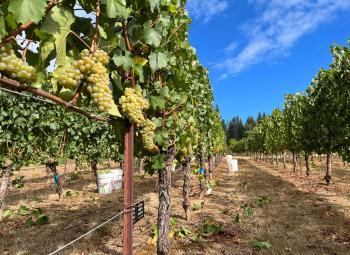
Wine grape vineyards are highly susceptible to powdery mildew and botrytis bunch rot — two fungal diseases that can ruin fruit and result in unsellable wine. One proven, non-chemical method for reducing these diseases is the ...