Malheur

Producers gain skills to meet beef market standards

Cattle production is one of Oregon’s leading agricultural commodities. To maintain market access and consumer confidence, beef producers must meet evolving standards for animal health, handling and traceability. The Beef Quality ...

Apr 2026 | Impact Story

OSU Extension develops producer-centered soil health program

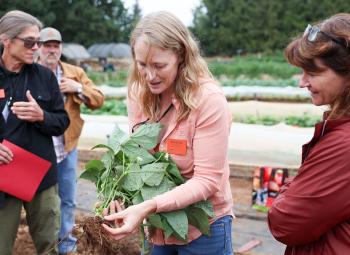
Across Oregon, agricultural producers want to improve soil health to strengthen productivity, reduce risk and build resilience. But many still lack practical, trusted guidance to interpret soil health and fertility results and connect...

Apr 2026 | Impact Story

School IPM Program protects health and safety of Oregon children

Asthma is the top cause of absenteeism in U.S. public K–12 schools. In Oregon, common school pests such as mice, cockroaches and flies can trigger asthma and spread diseases including E. coli, Lyme disease and salmonellosis. ...

Mar 2026 | Impact Story

OSU field courses bolster rangeland workforce

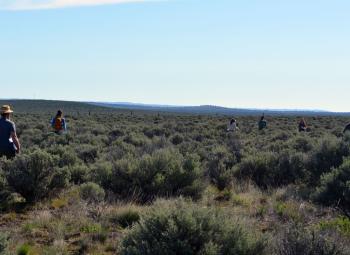
The sagebrush biome is the largest native ecosystem in North America and one of the most at risk. Altered fire regimes, expanding juniper and invasive annual grasses have made management more difficult across Oregon and the ...

Mar 2026 | Impact Story

OSU helps Oregon strengthen invasive species defense

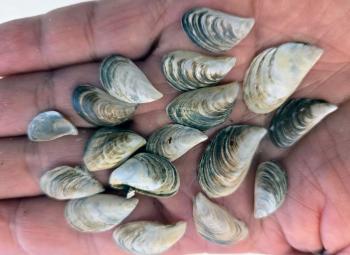
Invasive species are nonnative plants and animals that can spread quickly and cause environmental or economic harm. In Oregon, they harm agriculture, aquaculture and forests, damage infrastructure, habitats, outcompete native species for...

Mar 2026 | Impact Story

OSU symposium strengthens Oregon pasture resilience

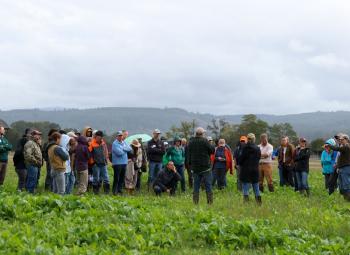
Pasture, hay and forage crops cover a large share of Oregon’s agricultural landscape. In 2024, growers harvested more than 1 million acres of hay and grazed more than 250,000 acres of irrigated pastureland. Even so, forage ...

Mar 2026 | Impact Story

OSU Extension guides postfire recovery planning for Eastern Oregon rangelands

More than 1.8 million acres burned in Eastern Oregon during the 2024 fire season, creating urgent needs for communities and landowners. People needed evacuation information, alternative feed for livestock and clear points of contact...

Mar 2026 | Impact Story

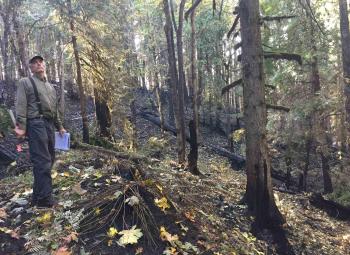
Postfire survey tools help landowners restore forests after wildfire

Severe wildfires have affected more than 6,000 landowners in Oregon since 2020, and postfire restoration on private, nonindustrial forestlands has been uneven statewide. To better understand what helps landowners restore their ...

Mar 2026 | Impact Story

OSU survey guides weed strategy for vegetable seed production

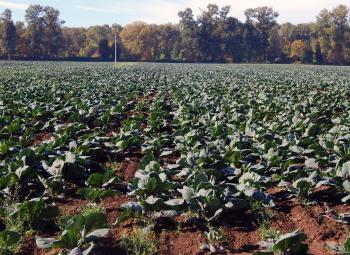
Vegetable specialty seed production is a cornerstone of agriculture in the Pacific Northwest. More than 170 seed crops — including brassicas, spinach, radish, carrot, onion and many others — are grown on relatively small ...

Mar 2026 | Impact Story

OSU studies reveal hemp byproduct shows promise as cattle feed

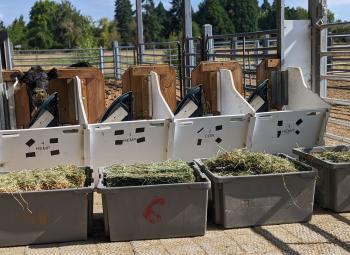
Oregon’s hemp industry generates a large volume of spent hemp biomass — the leftover plant material after cannabidiol is extracted. The material has a strong nutrient profile and could serve as a cost-competitive alternative to...

Feb 2026 | Impact Story