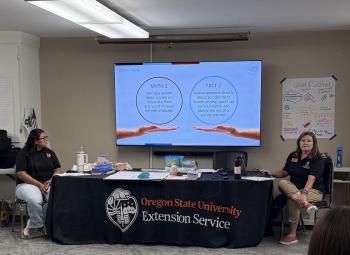
Youths in Malheur County face growing mental health challenges, but timely support can be hard to access in a rural county with too few providers. Local data underscores the need: 21% of adults report frequent mental distress,...
Feb 2026 |
Impact Story
Credit: Daria Van De Grift (Cropped from original)
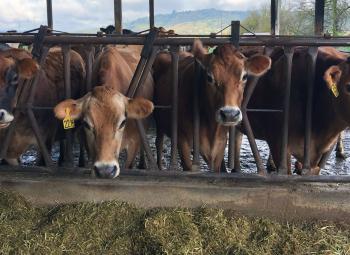
Raw milk naturally contains microorganisms. Most are harmless, but higher microbial levels can shorten shelf life, complicate processing and signal hygiene problems that raise costs for farms and processors. For Oregon’s dairy ...
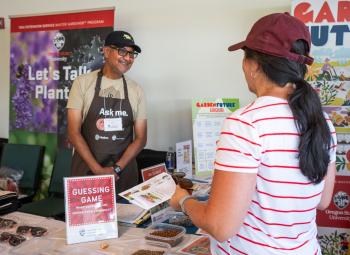
In 2024, Oregon State University Extension Service Master Gardener volunteers met Oregonians where they were. Across the state, people were looking for affordable, healthy food, practical and culturally meaningful gardening education, ...
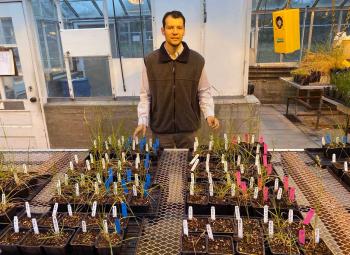
Weeds pose a serious threat to Oregon agriculture. They reduce yields, lower seed and grain quality, and can keep shipments from meeting market standards. This challenge is statewide although its impacts vary by region. The ...
Oct 2025 |
Impact Story
Credit: Oregon State University (Cropped from original)
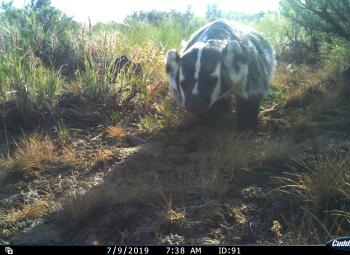
The sagebrush ecosystem — a vast, dry landscape that supports hundreds of wildlife species and livelihoods in the West — is shrinking and changing. Livestock grazing is the dominant land-use across much of this ecosystem. ...
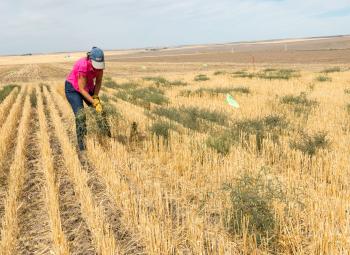
Russian thistle (Salsola tragus), also known as tumbleweed, is a persistent summer annual weed and an ongoing challenge for wheat growers in Eastern Oregon. The weed infests nearly 5 million acres across the Pacific Northwest, ...
Dry bulb onions are a vital crop in the Treasure Valley of Eastern Oregon and southwestern Idaho. About 10,000 hectares are planted each year, contributing more than $120 million to the region’s economy. But onion farming is...
Farmers and ranchers face intense stress from crop failures, market changes, unpredictable weather, injuries and more. These pressures contribute to rising rates of depression — and, too often, suicide. According to the Centers for...
Invasive annual grasses are a growing threat to the Great Basin desert ecosystem which includes much of Eastern Oregon. These grasses — such as medusahead, cheatgrass and ventenata — displace native plants, reduce habitat ...
Oregon’s sagebrush ecosystem has declined by about 50% over the past 150 years due to invasive annual grasses, increased wildfire activity and encroaching conifers. This large-scale habitat loss has contributed to declines in ...