Grant

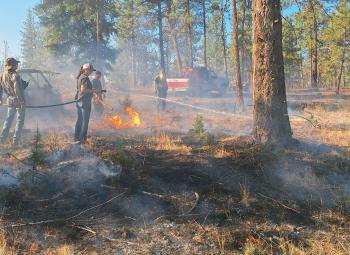
Landowners expand prescribed fire use in Eastern Oregon

More than a century of fire exclusion has reshaped forests and rangelands across Eastern Oregon. Without regular low-intensity fire, fuels have built up, increasing the risk of larger, more severe wildfires. Community-led burning ...

Apr 2026 | Impact Story

Producers gain skills to meet beef market standards

Cattle production is one of Oregon’s leading agricultural commodities. To maintain market access and consumer confidence, beef producers must meet evolving standards for animal health, handling and traceability. The Beef Quality ...

Apr 2026 | Impact Story

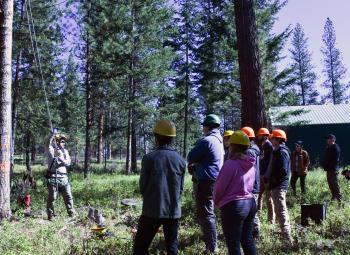
Young adults gain wildfire workforce skills in Eastern Oregon

Communities across Eastern Oregon need more trained workers to reduce wildfire risk and manage forests safely. Fuels reduction, forest restoration and wildfire preparedness work require skilled crews who understand both forestry ...

Mar 2026 | Impact Story

School IPM Program protects health and safety of Oregon children

Asthma is the top cause of absenteeism in U.S. public K–12 schools. In Oregon, common school pests such as mice, cockroaches and flies can trigger asthma and spread diseases including E. coli, Lyme disease and salmonellosis. ...

Mar 2026 | Impact Story

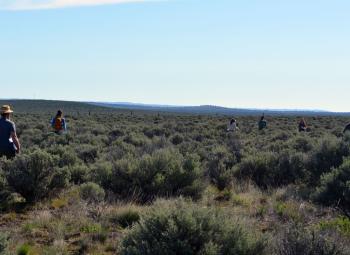
OSU field courses bolster rangeland workforce

The sagebrush biome is the largest native ecosystem in North America and one of the most at risk. Altered fire regimes, expanding juniper and invasive annual grasses have made management more difficult across Oregon and the ...

Mar 2026 | Impact Story

OSU survey highlights weed challenges in Oregon agriculture

Weeds pose a serious threat to Oregon agriculture. They reduce yields, lower seed and grain quality, and can keep shipments from meeting market standards. This challenge is statewide although its impacts vary by region. The ...

Oct 2025 | Impact Story

Oregon State research shows how grazing timing affects sagebrush wildlife

The sagebrush ecosystem — a vast, dry landscape that supports hundreds of wildlife species and livelihoods in the West — is shrinking and changing. Livestock grazing is the dominant land-use across much of this ecosystem. ...

Oct 2025 | Impact Story

OSU Extension enhances mental health support for rural Oregonians

Farmers and ranchers face intense stress from crop failures, market changes, unpredictable weather, injuries and more. These pressures contribute to rising rates of depression — and, too often, suicide. According to the Centers for...

Jul 2025 | Impact Story

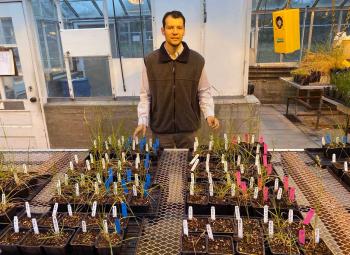
OSU efforts help growers spot and manage soilborne wheat mosaic virus

The direct value of the wheat harvest in Oregon in 2022 was approximately $431 million, ranking sixth in value among the state's agricultural commodities. That economic weight means growers stay vigilant against threats to yield ...

May 2025 | Impact Story

OSU rangeland researchers help mitigate spread of invasive grasses

Invasive annual grasses are a growing threat to the Great Basin desert ecosystem which includes much of Eastern Oregon. These grasses — such as medusahead, cheatgrass and ventenata — displace native plants, reduce habitat ...

May 2025 | Impact Story