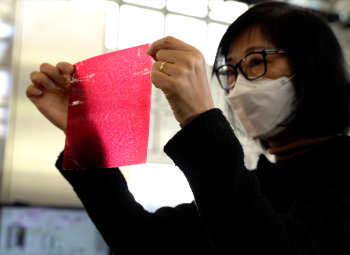
An estimated 30–40% of food in the United States is wasted each year, contributing roughly 170 million metric tons of greenhouse gas emissions and accelerating climate change. In fruit juice production, only 70–75% of the ...
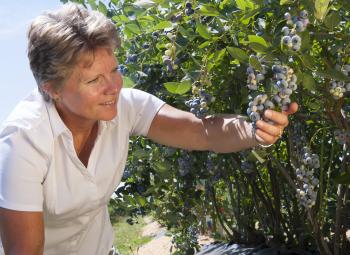
In 2006, organic blueberry production was a small but growing niche in Oregon — only about 2% of the state’s 4,400 acres were certified organic. Growers faced high input costs, uncertain yield potential, and a lack of ...
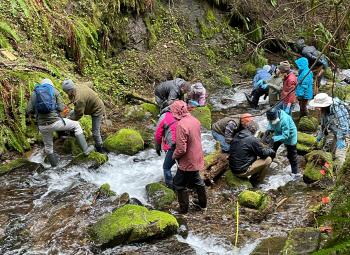
People from around the world visit Oregon to experience its natural beauty — yet many residents lack deeper ecological knowledge, like how animal, plant and insect interactions shape the state’s environments. Certified naturalists...
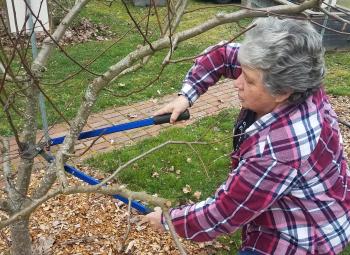
Pruning is one of the most common — and most daunting — questions that gardeners bring to OSU Extension. Knowing when and how to prune can be overwhelming, and while long videos or technical guides exist, they can be ...
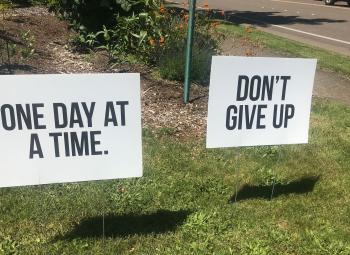
Following the compounded crises of 2020 through 2022, Oregon saw a sharp increase in mental health challenges — including depression, anxiety, substance use and suicide. The state continues to rank near the bottom nationally for...
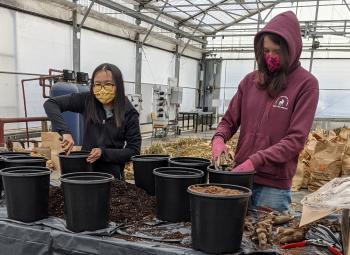
During the COVID-19 pandemic, Oregon’s agricultural operations faced heightened pressure to maintain food safety while adjusting to evolving health regulations. As an essential industry, farms remained open, but the need to protect ...
The COVID-19 pandemic forced a shift in how Oregonians accessed gardening education. In response to restrictions on in-person programming, the Oregon State University Extension Service Master Gardener program began delivering presentations...
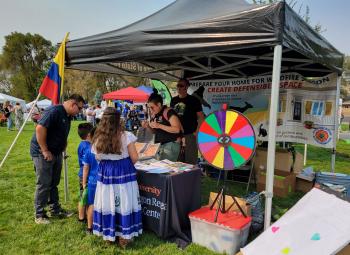
Oregon State University Forestry and Natural Resources Extension Program (FNR) is working to create welcoming, engaging spaces where people can come together to learn how to prepare for wildfires. In recent years, wildfires in ...