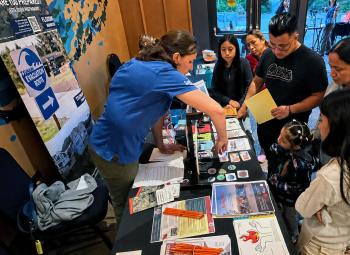
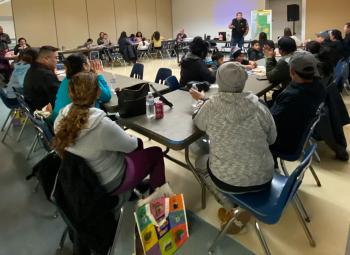
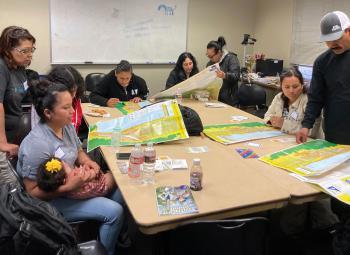
Latine, Hispanic and Central American Indigenous communities on the Oregon Coast often face barriers to accessing health, safety, education and disaster preparedness resources. By reducing language and access barriers, OSU Extension and...
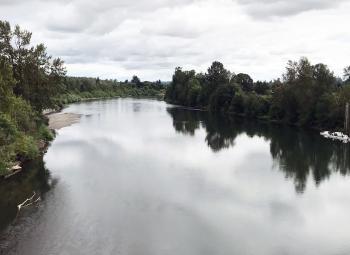
The Willamette River Basin is Oregon’s most populated watershed and supports much of the state’s agriculture, industry, transportation and fish and wildlife habitat. In the coming decades, the basin is expected to face increasing...
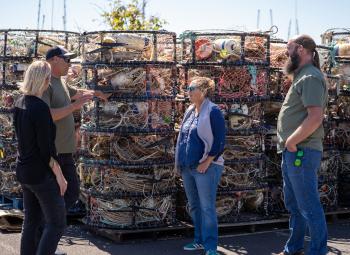
Tourism is one of Oregon’s largest economic sectors, and guided trips are an important part of the state’s outdoor recreation economy. Fishing guides, outfitters and tour operators help visitors experience Oregon’s natural areas...
Mar 2026 |
Impact Story
Credit: Oregon Sea Grant Extension (Cropped from original)
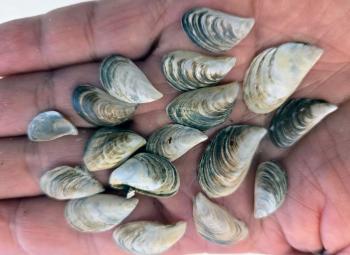
Invasive species are nonnative plants and animals that can spread quickly and cause environmental or economic harm. In Oregon, they harm agriculture, aquaculture and forests, damage infrastructure, habitats, outcompete native species for...
Whale entanglement in fishing gear is a serious threat that can cause drowning, injury and interfere with feeding. According to the National Oceanic and Atmospheric Administration’s 2022 West Coast Whale Entanglement Summary, 30 ...
In 2023, the Lincoln Climate and Health group launched a Youth Community Science project. It was the first step in putting their Lincoln Benton Climate and Health Adaptation Plan into action. The 10-day camp in Newport helped ...
Each year, about 20,000 gray whales migrate along the Oregon Coast. Roughly 200 remain during the summer to feed. These whales share coastal waters with whale-watching charters, recreational boaters and commercial fishers. Until ...
Commercial fishing in Oregon is a hazardous occupation. Fishermen often work with heavy machinery and equipment. The wet and slippery conditions on fishing vessels increase the risk of slips, trips and falls. Long hours and ...
Mar 2025 |
Impact Story
Credit: Beatriz Botello Salgado (Cropped from original)
The 2020 Echo Mountain Complex Fire burned more than 2,500 acres and damaged or destroyed 368 structures in Lincoln County. It also revealed major gaps in communication and emergency preparedness for the county’s Latino and ...
Latino/a/x is the fastest-growing demographic in Oregon and often works in coastal industries located in high tsunami risk areas. This creates a necessity for natural hazard preparedness materials that consider the specific needs and...