As a land grant university, Oregon State University takes research and innovation out of the labs and puts them into practice in the communities and landscapes around the state through Extension programs. While OSU’s influence ...
About 25% of private wells in the United States contain contaminants known to increase the risk of chronic diseases. Arsenic and nitrate are among the most commonly detected contaminants. In Oregon, approximately 23% of residents ...
Antibiotics are a powerful tool against bacterial disease, but widespread use in people and animals has led some bacteria to evolve into drug‑resistant strains. Each year in the United States, more than 2.8 million ...
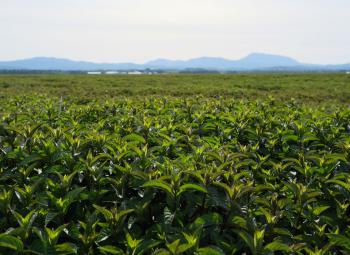
Oregon is the nation’s third-leading producer of peppermint, harvesting approximately 840,000 pounds with a crop value of $28.7 million in 2022. But pests like mint root borer and variegated cutworm threaten crop yields and ...
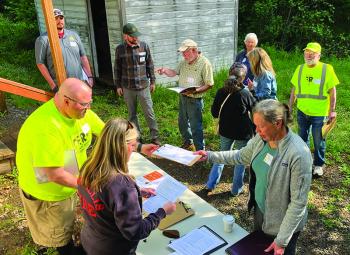
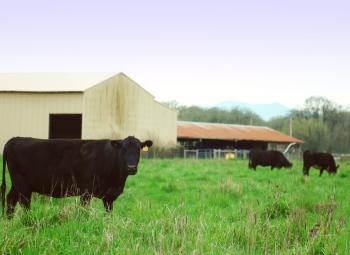
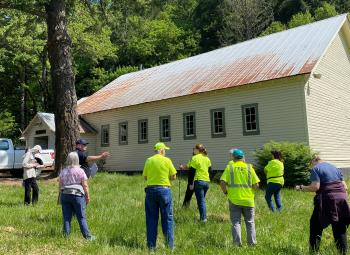
Rural landowners in the Willamette Valley often face steep learning curves when it comes to managing soil, water, livestock and vegetation. Many are new to land stewardship and need guidance on protecting natural resources while ...
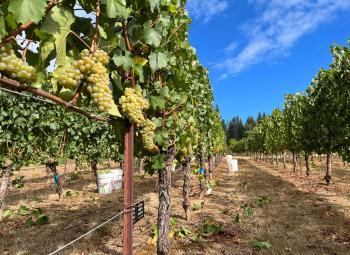
Wine grape vineyards are highly susceptible to powdery mildew and botrytis bunch rot — two fungal diseases that can ruin fruit and result in unsellable wine. One proven, non-chemical method for reducing these diseases is the ...
Interest in home food preservation has surged since the COVID-19 pandemic, with Oregon ranking ninth nationally for home canning–related Google searches. Yet many Oregonians struggle to find reliable, research-based information. Oregon ...
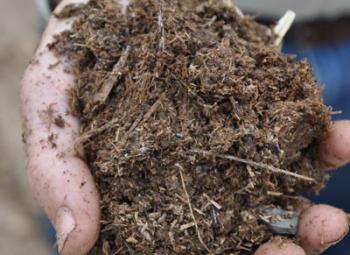
Applying nitrogen fertilizer is a balancing act for farmers. Too little can limit crop yields. Too much wastes money, increases pest risk, and harms water quality. For organic and sustainable farmers, managing nitrogen is ...
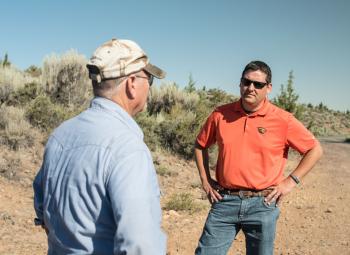
Wildfires play an important ecological role, but when they threaten homes and infrastructure, the consequences can be severe. Research shows that building materials, home condition and the type of vegetation within the first 100 ...
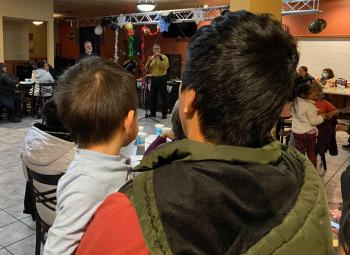
As COVID-19 vaccines became widely available in 2021, many communities faced challenges in accessing accurate information and overcoming vaccine hesitancy. In Oregon’s Latino communities, logistical barriers, lack of culturally relevant ...