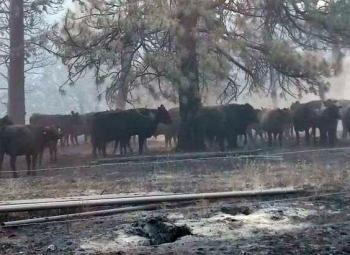
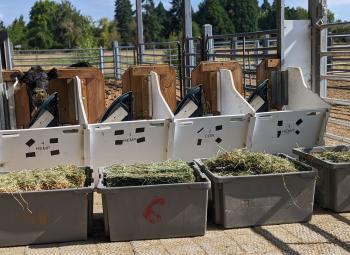
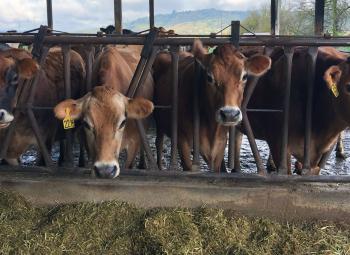
Cattle production is one of Oregon’s leading agricultural commodities. To maintain market access and consumer confidence, beef producers must meet evolving standards for animal health, handling and traceability. The Beef Quality ...
Asthma is the top cause of absenteeism in U.S. public K–12 schools. In Oregon, common school pests such as mice, cockroaches and flies can trigger asthma and spread diseases including E. coli, Lyme disease and salmonellosis. ...
Mar 2026 |
Impact Story
Credit: Oregon Sea Grant Extension (Cropped from original)
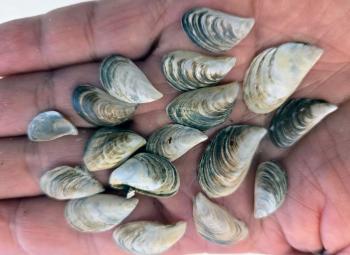
Invasive species are nonnative plants and animals that can spread quickly and cause environmental or economic harm. In Oregon, they harm agriculture, aquaculture and forests, damage infrastructure, habitats, outcompete native species for...
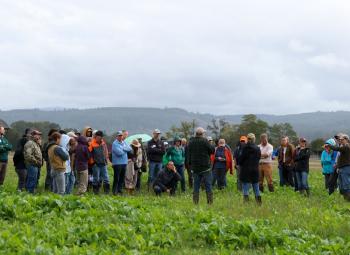
Pasture, hay and forage crops cover a large share of Oregon’s agricultural landscape. In 2024, growers harvested more than 1 million acres of hay and grazed more than 250,000 acres of irrigated pastureland. Even so, forage ...
Oregon’s hemp industry generates a large volume of spent hemp biomass — the leftover plant material after cannabidiol is extracted. The material has a strong nutrient profile and could serve as a cost-competitive alternative to...
Feb 2026 |
Impact Story
Credit: Daria Van De Grift (Cropped from original)
Raw milk naturally contains microorganisms. Most are harmless, but higher microbial levels can shorten shelf life, complicate processing and signal hygiene problems that raise costs for farms and processors. For Oregon’s dairy ...
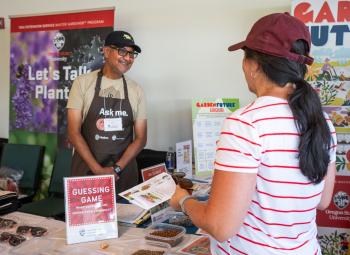
In 2024, Oregon State University Extension Service Master Gardener volunteers met Oregonians where they were. Across the state, people were looking for affordable, healthy food, practical and culturally meaningful gardening education, ...
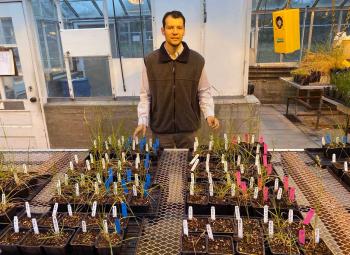
Weeds pose a serious threat to Oregon agriculture. They reduce yields, lower seed and grain quality, and can keep shipments from meeting market standards. This challenge is statewide although its impacts vary by region. The ...
Oct 2025 |
Impact Story
Credit: Oregon State University (Cropped from original)
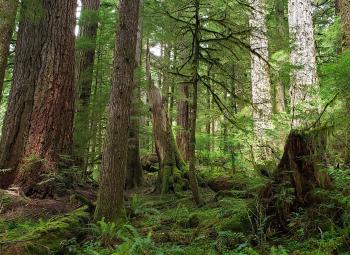
The sagebrush ecosystem — a vast, dry landscape that supports hundreds of wildlife species and livelihoods in the West — is shrinking and changing. Livestock grazing is the dominant land-use across much of this ecosystem. ...
Farmers and ranchers face intense stress from crop failures, market changes, unpredictable weather, injuries and more. These pressures contribute to rising rates of depression — and, too often, suicide. According to the Centers for...