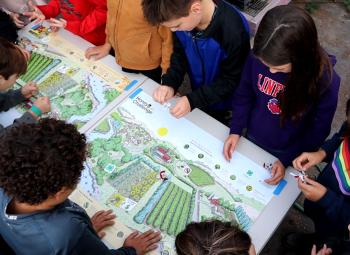
Pollinators such as bees play a vital role in food production and biodiversity, but their populations are in decline. In Josephine County, Oregon State University Extension Service’s 4-H Youth Development program is addressing this...
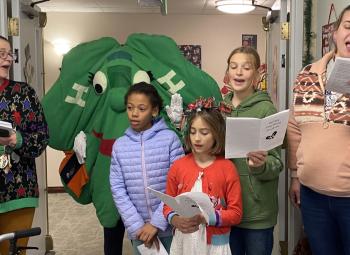
Civic engagement is an important aspect of adolescent development and a core theme of 4-H education. For the last 10-plus years, hundreds of soldiers and veterans have received packages filled with stockings prepared by Oregon ...
The spongy moth — formerly known as the gypsy moth — is a destructive invasive insect that threatens forest health across the United States. It feeds on more than 300 species of trees and shrubs, including alder, ...
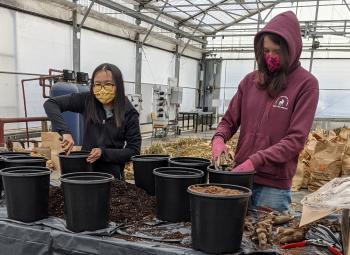
During the COVID-19 pandemic, Oregon’s agricultural operations faced heightened pressure to maintain food safety while adjusting to evolving health regulations. As an essential industry, farms remained open, but the need to protect ...
Certain soils in southwestern Oregon pose a challenge for crop production. Known as serpentine soils, they are formed from the mineral serpentinite and contain high levels of magnesium and other metals that can restrict plant ...
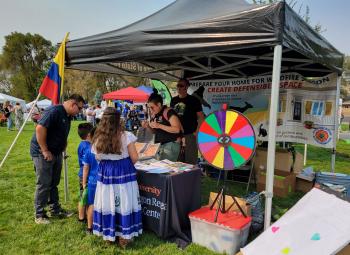
Oregon State University Forestry and Natural Resources Extension Program (FNR) is working to create welcoming, engaging spaces where people can come together to learn how to prepare for wildfires. In recent years, wildfires in ...
Mar 2023 |
Impact Story
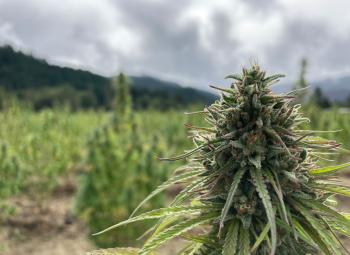
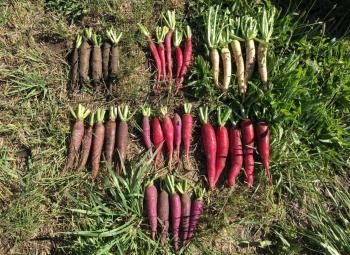
Photo: Sebastian Aguilar, Chickadee Farm (Cropped from original)
Southern Oregon has a climate well-suited for seed production, and there are already more than a dozen farmers in the area who are selling commercial seed on contract for regional, national and international seed companies. But ...