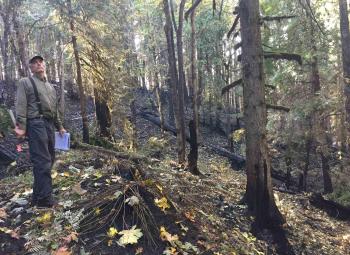
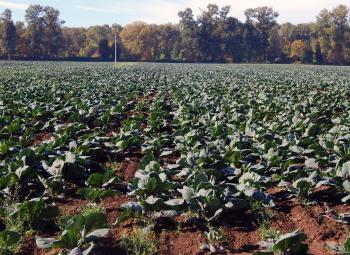
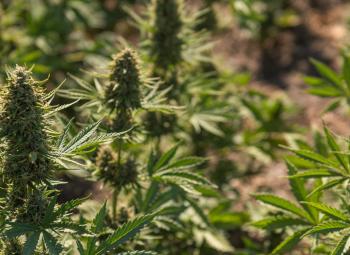
Weeds pose a serious threat to Oregon agriculture. They reduce yields, lower seed and grain quality, and can keep shipments from meeting market standards. This challenge is statewide although its impacts vary by region. The ...
Oct 2025 |
Impact Story
Credit: Oregon State University (Cropped from original)
The sagebrush ecosystem — a vast, dry landscape that supports hundreds of wildlife species and livelihoods in the West — is shrinking and changing. Livestock grazing is the dominant land-use across much of this ecosystem. ...
In the high desert of Central Oregon, farmers produce some of the world’s most valuable hybrid carrot seed. But their fields face a persistent and costly threat: a plant disease called bacterial blight, caused by the ...
Farmers and ranchers face intense stress from crop failures, market changes, unpredictable weather, injuries and more. These pressures contribute to rising rates of depression — and, too often, suicide. According to the Centers for...
Honey bees are essential pollinators for crops like apples, blueberries, cherries, melons, almonds and broccoli. In the United States, they contribute an estimated $20 billion in crop pollination each year. But over the past 50 ...
For more than 60 years, Outdoor School has provided Oregon students with a unique opportunity to learn about science and the natural world through direct experience. What began in 1957 in Southern Oregon quickly expanded, with ...
Cattle production is one of Oregon’s leading agricultural commodities. To maintain market access and consumer confidence, beef producers must meet evolving standards for animal health, handling and traceability. The Beef Quality ...
Oregon’s more than 79,000 family forest landowners manage 3.6 million acres of private forestland, contributing significant economic, ecological and social value. These landowners have diverse goals and face complex challenges in ...
Professional tree measurement tools can be costly, but the OSU Woodland Stick offers an affordable, simple and user-friendly alternative. Created by the Oregon State University Forestry and Natural Resources Extension Program, this ...
Hay is one of Oregon's top agricultural commodities, ranking third in the state in 2022 with a total value of about $785.5 million. This included 2.78 million tons of alfalfa hay, valued at around $488.2 million, and 1.28 ...