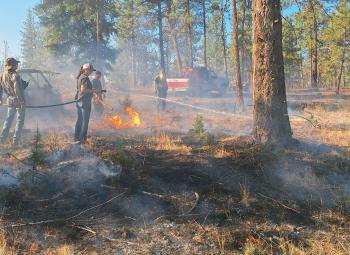
More than a century of fire exclusion has reshaped forests and rangelands across Eastern Oregon. Without regular low-intensity fire, fuels have built up, increasing the risk of larger, more severe wildfires. Community-led burning ...
Cattle production is one of Oregon’s leading agricultural commodities. To maintain market access and consumer confidence, beef producers must meet evolving standards for animal health, handling and traceability. The Beef Quality ...
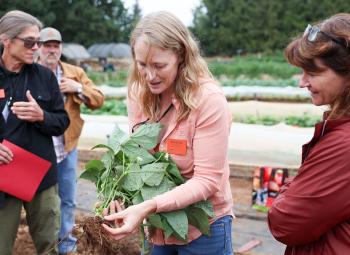
Across Oregon, agricultural producers want to improve soil health to strengthen productivity, reduce risk and build resilience. But many still lack practical, trusted guidance to interpret soil health and fertility results and connect...
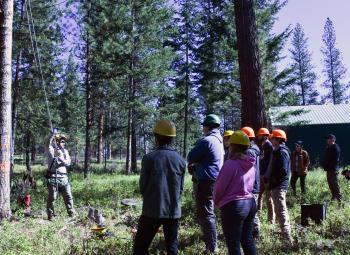
Communities across Eastern Oregon need more trained workers to reduce wildfire risk and manage forests safely. Fuels reduction, forest restoration and wildfire preparedness work require skilled crews who understand both forestry ...
Asthma is the top cause of absenteeism in U.S. public K–12 schools. In Oregon, common school pests such as mice, cockroaches and flies can trigger asthma and spread diseases including E. coli, Lyme disease and salmonellosis. ...
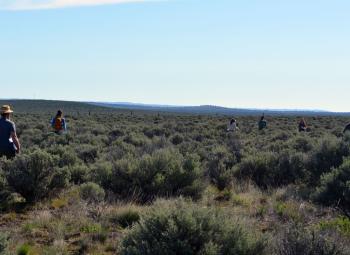
The sagebrush biome is the largest native ecosystem in North America and one of the most at risk. Altered fire regimes, expanding juniper and invasive annual grasses have made management more difficult across Oregon and the ...
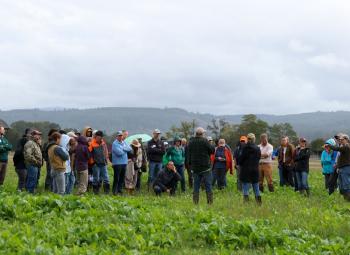
Pasture, hay and forage crops cover a large share of Oregon’s agricultural landscape. In 2024, growers harvested more than 1 million acres of hay and grazed more than 250,000 acres of irrigated pastureland. Even so, forage ...
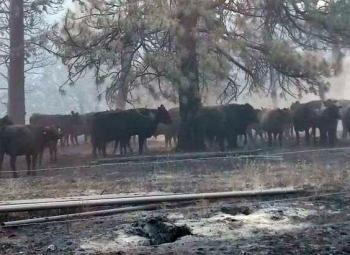
More than 1.8 million acres burned in Eastern Oregon during the 2024 fire season, creating urgent needs for communities and landowners. People needed evacuation information, alternative feed for livestock and clear points of contact...
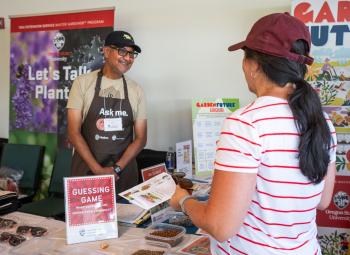
In 2024, Oregon State University Extension Service Master Gardener volunteers met Oregonians where they were. Across the state, people were looking for affordable, healthy food, practical and culturally meaningful gardening education, ...
Weeds pose a serious threat to Oregon agriculture. They reduce yields, lower seed and grain quality, and can keep shipments from meeting market standards. This challenge is statewide although its impacts vary by region. The ...