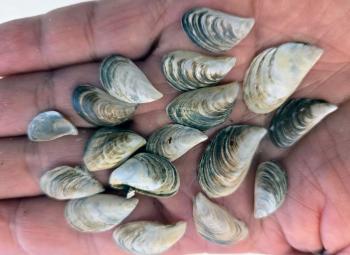
Invasive species are nonnative plants and animals that can spread quickly and cause environmental or economic harm. In Oregon, they harm agriculture, aquaculture and forests, damage infrastructure, habitats, outcompete native species for...
Mar 2026 |
Impact Story
Credit: Aaron Becerra-Alvarez (Cropped from original)
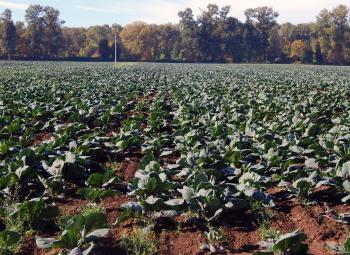
Vegetable specialty seed production is a cornerstone of agriculture in the Pacific Northwest. More than 170 seed crops — including brassicas, spinach, radish, carrot, onion and many others — are grown on relatively small ...
Nearly all U.S. households use some form of food preservation to extend the shelf life of perishable foods, stretch food budgets and prevent waste. A 2024 nationwide survey found that 49% of households preserved food through ...
Mar 2026 |
Impact Story
Credit: Katterlea MacGregor (Cropped from original)
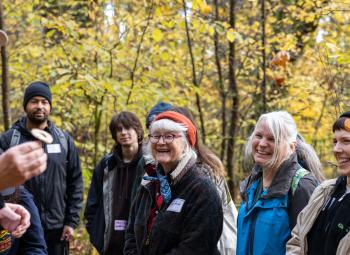
The Oregon State University College of Forestry owns and manages the McDonald-Dunn Research Forest, an 11,500-acre, heavily visited forest north of Corvallis. After three years of collaboration among scientists, educators, tribes and ...
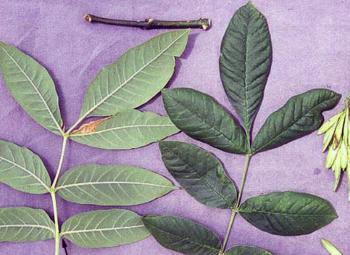
Oregon ash (Fraxinus latifolia) is an ecologically important West Coast tree that may disappear from much of its range — from British Columbia to California — as emerald ash borer, an invasive insect, spreads in North ...
Mar 2026 |
Impact Story
Credit: Daria Van De Grift (Cropped from original)
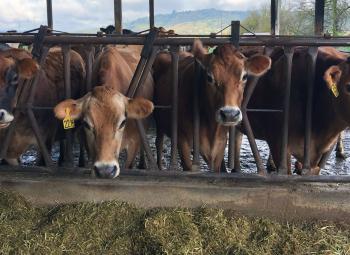
Raw milk naturally contains microorganisms. Most are harmless, but higher microbial levels can shorten shelf life, complicate processing and signal hygiene problems that raise costs for farms and processors. For Oregon’s dairy ...
Spotted-wing drosophila is a small fruit fly that can ruin berries right before harvest. Unlike the fruit flies many people know from kitchens, it can lay eggs in firm, ripening fruit still on the plant. The eggs hatch into...
Feb 2026 |
Impact Story
Credit: Natural Resources Conservation Service (Cropped from original)
Wildfire risk continues to increase across Oregon, but access to preparedness education is not evenly distributed. Spanish-speaking renters, farmworkers and forest workers often face barriers that limit their ability to prepare for, ...
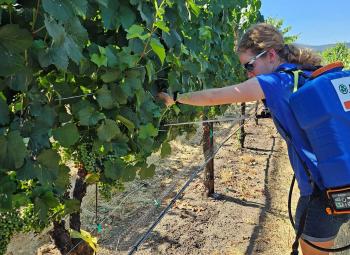
Wildfire smoke is a growing risk for wine grapes in Oregon and across the West. When smoke reaches vineyards near harvest, grapes can take in smoke compounds that later affect wine flavor and aroma. In bad years, growers ...
Oregon produces more than 90% of the nation’s white clover seed, supporting forage systems, soil health and agricultural productivity. Clover seed weevil is a serious insect pest that impacts the Willamette Valley’s white clover...