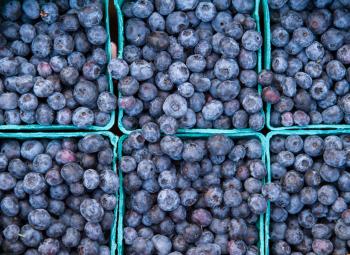
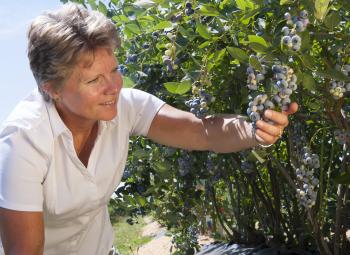
Oregon and Washington produce more blueberries than any other region in the world. In Oregon alone, growers harvest approximately 150 million pounds annually, with a farmgate value exceeding $120 million. A large share of this ...
Jan 2025 |
Impact Story
Credit: trekandphoto - Adobe Stock (Cropped from original)
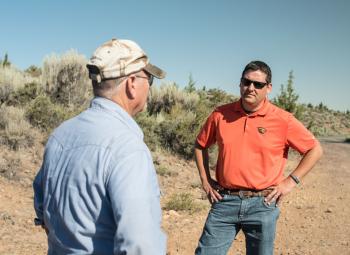
Landslides, often triggered by extreme events such as heavy precipitation, wildfires and earthquakes, pose significant environmental, societal and economic risks. In the mountainous, forested terrain of the West, including Oregon, shallow...
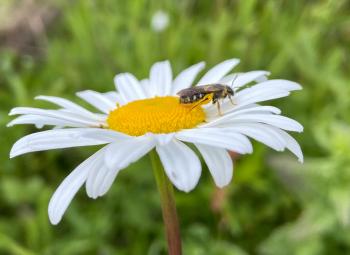
Bees and other animal pollinators enhance the reproduction of nearly 90% of the Earth’s wild flowering plants, in addition to many food crops, and are an essential component of biodiversity. However, identifying native bees, ...
Antibiotics are a powerful tool against bacterial disease, but widespread use in people and animals has led some bacteria to evolve into drug‑resistant strains. Each year in the United States, more than 2.8 million ...
As COVID-19 vaccines became widely available in 2021, many communities faced challenges in accessing accurate information and overcoming vaccine hesitancy. In Oregon’s Latino communities, logistical barriers, lack of culturally relevant ...
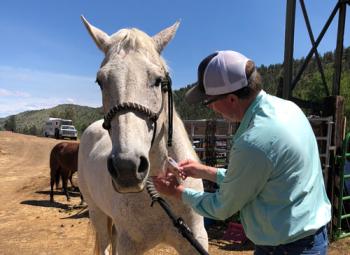
Equine infectious anemia (EIA) is a serious, incurable disease that affects horses, donkeys and mules. Horses that survive infection remain carriers for life, putting other animals at risk. A tiny amount of infected blood — ...
In 2006, organic blueberry production was a small but growing niche in Oregon — only about 2% of the state’s 4,400 acres were certified organic. Growers faced high input costs, uncertain yield potential, and a lack of ...