Stinging nettle is a plant that can sting and cause welts, but when the sting is removed a traditional “superfood” emerges. Native Indigenous peoples have gathered stinging nettles since time immemorial. They can be used ...
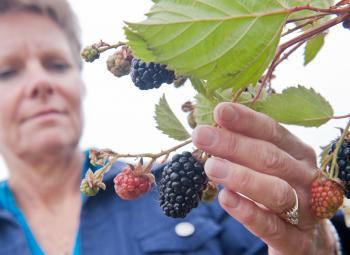
Over the past two decades, the Oregon State University Extension Service and the Oregon Agricultural Experiment Station have focused research on fertilizer practices for blueberries, raspberries, blackberries, strawberries and kiwiberries. ...
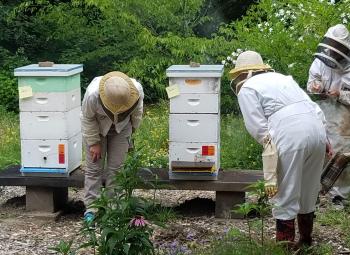
As people increasingly recognize the vital role honeybees play in pollinating key crops, there's a growing interest in raising them in backyards. To support this enthusiasm, the Oregon State University Extension Service launched the...
Scientists estimate there’s a 37% chance that a magnitude 8.0 or greater earthquake will strike off the Pacific Northwest coast in the next 50 years. When it happens, the Cascadia Subduction Zone event — and the tsunami ...
Slugs have plagued crops since ancient times — and they continue to cause billions of dollars in agricultural damage globally each year. In Oregon, slugs inflict an estimated $60–100 million in damage to the grass seed ...
Busy work schedules, limited child care availability and fees for program registration pose challenges to families looking for opportunities for youths to explore new interests. 4-H is the largest out-of-school youth program in the ...
In response to longer and more severe wildfire seasons, a growing population living in the wildland-urban interface and the extensive impacts of the 2020 Labor Day fires, the Oregon Legislature passed Senate Bill 762 in 2021, ...
As a land grant university, Oregon State University takes research and innovation out of the labs and puts them into practice in the communities and landscapes around the state through Extension programs. While OSU’s influence ...
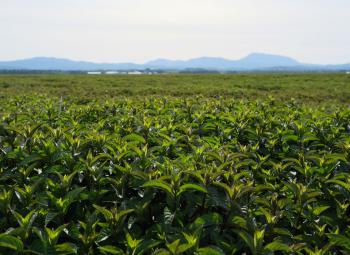
Oregon is the nation’s third-leading producer of peppermint, harvesting approximately 840,000 pounds with a crop value of $28.7 million in 2022. But pests like mint root borer and variegated cutworm threaten crop yields and ...
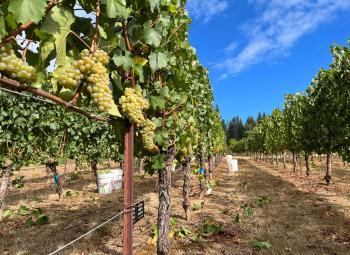
Wine grape vineyards are highly susceptible to powdery mildew and botrytis bunch rot — two fungal diseases that can ruin fruit and result in unsellable wine. One proven, non-chemical method for reducing these diseases is the ...