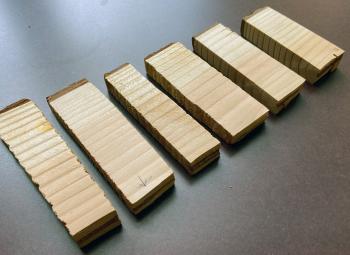
Douglas-fir is the backbone of Oregon’s timber industry and a major source of lumber, engineered wood products and manufacturing fiber in the Pacific Northwest. Better knowledge of how spacing affects wood development can help ...
Oregon is the center of the U.S. hazelnut industry, and the crop is an important driver of farm income, processing activity and rural economic vitality in the Willamette Valley. Hazelnuts support growers, nurseries, processors, ...
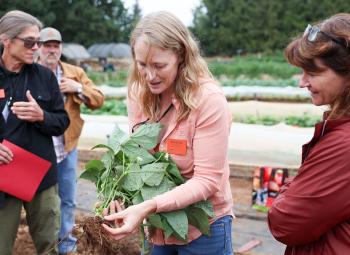
Across Oregon, agricultural producers want to improve soil health to strengthen productivity, reduce risk and build resilience. But many still lack practical, trusted guidance to interpret soil health and fertility results and connect...
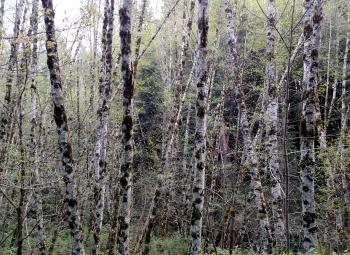
Hardwood trees such as red alder, bigleaf maple and Oregon white oak grow across millions of acres in Oregon and Washington. They shade streams, support wildlife and contribute to forest resilience. A better understanding of the...
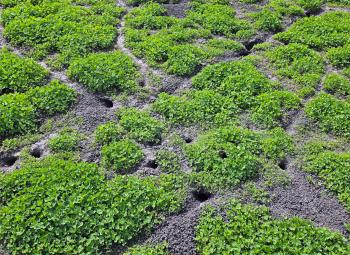
Gray-tailed voles are a recurring pest in Oregon agriculture and can cause serious crop damage when populations surge. In the Willamette Valley, grass seed fields provide prime habitat. By identifying shared priorities and ...
Asthma is the top cause of absenteeism in U.S. public K–12 schools. In Oregon, common school pests such as mice, cockroaches and flies can trigger asthma and spread diseases including E. coli, Lyme disease and salmonellosis. ...
Tourism is one of Oregon’s largest economic sectors, and guided trips are an important part of the state’s outdoor recreation economy. Fishing guides, outfitters and tour operators help visitors experience Oregon’s natural areas...
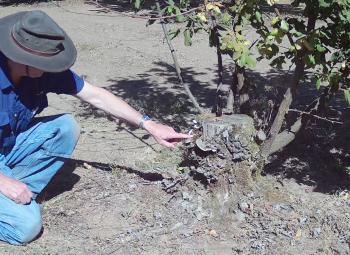
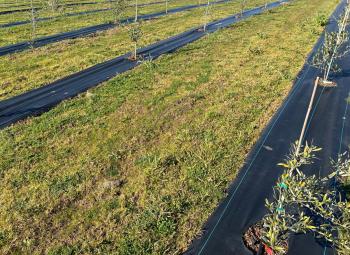
Interest in growing olives — a high-value specialty crop — is increasing in Oregon. However, research-based information on cultivar selection and production practices for the state is limited. Primary challenges include damage from...
Oregon’s wildfire risk varies widely by landscape, climate, housing patterns and community capacity. That diversity makes it difficult to rely on a one-size-fits-all approach to training. This project helps Oregon use public ...
Mar 2026 |
Impact Story
Credit: Oregon Sea Grant Extension (Cropped from original)
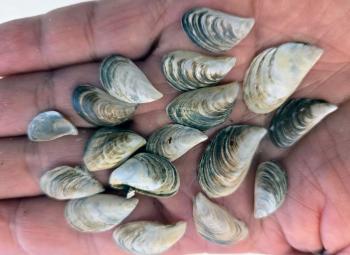
Invasive species are nonnative plants and animals that can spread quickly and cause environmental or economic harm. In Oregon, they harm agriculture, aquaculture and forests, damage infrastructure, habitats, outcompete native species for...