Fire

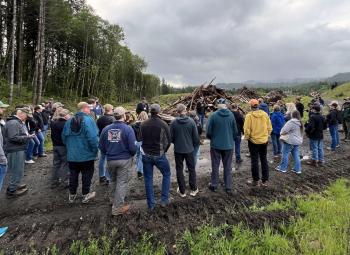
Partnerships improve wildfire preparedness in Washington County

Washington County faces increasing wildfire risk as development expands into fire-prone areas, fuels accumulate and climate conditions change. These efforts reduce the likelihood and severity of future wildfire impacts, helping communities...

May 2026 | Impact Story

OSU study shows smoke stresses calves

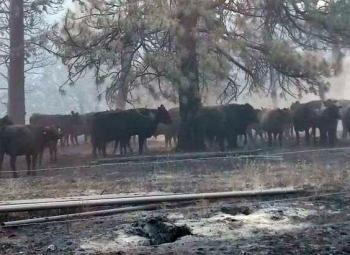
Oregon’s cattle industry is a major part of the state’s agricultural economy. The Oregon Department of Agriculture ranks cattle and calves as Oregon’s No. 2 agricultural commodity, with a production value of about $791.5 ...

May 2026 | Impact Story

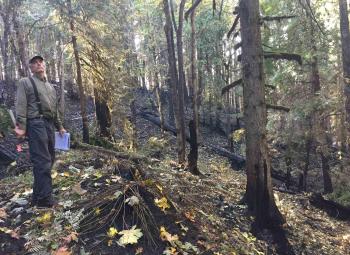
OSU, Forest Service find high wildfire risk for old forests where fire used to be common

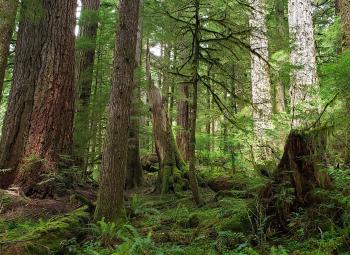
Mature and old-growth forests are among the Pacific Northwest’s most valuable natural assets. They store large amounts of carbon, provide wildlife habitat, support water systems and contribute to recreation, tourism and other public...

May 2026 | Impact Story

Landowners expand prescribed fire use in Eastern Oregon

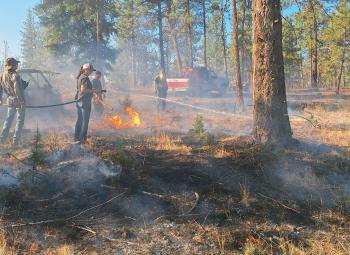
More than a century of fire exclusion has reshaped forests and rangelands across Eastern Oregon. Without regular low-intensity fire, fuels have built up, increasing the risk of larger, more severe wildfires. Community-led burning ...

Apr 2026 | Impact Story

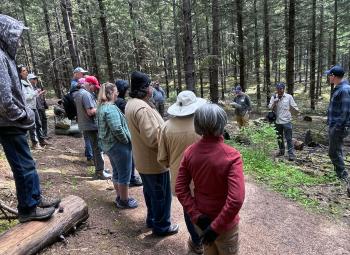
Clatsop County leaders gain insight into forestry and wildfire

Clatsop County’s timber and forest products industries remain an important part of the local economy, supporting jobs, contractors, mills and related businesses. Clatsop County and its service districts receive significant revenue from...

Apr 2026 | Impact Story

Farmers build skills to reduce wildfire risk

Wildfires are increasingly impacting agricultural lands in Eastern Oregon due to a changing climate, invasive annual grasses and evolving farming practices. Dryland wheat producers have adopted no-till systems to reduce erosion and ...

Apr 2026 | Impact Story

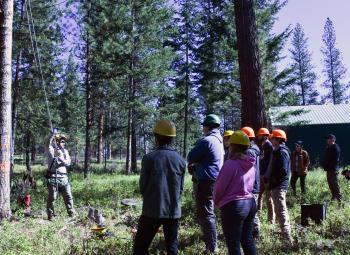
Young adults gain wildfire workforce skills in Eastern Oregon

Communities across Eastern Oregon need more trained workers to reduce wildfire risk and manage forests safely. Fuels reduction, forest restoration and wildfire preparedness work require skilled crews who understand both forestry ...

Mar 2026 | Impact Story

Partnership improves wildfire preparedness across Oregon communities

Oregon’s wildfire risk varies widely by landscape, climate, housing patterns and community capacity. That diversity makes it difficult to rely on a one-size-fits-all approach to training. This project helps Oregon use public ...

Mar 2026 | Impact Story

OSU Extension guides postfire recovery planning for Eastern Oregon rangelands

More than 1.8 million acres burned in Eastern Oregon during the 2024 fire season, creating urgent needs for communities and landowners. People needed evacuation information, alternative feed for livestock and clear points of contact...

Mar 2026 | Impact Story

Postfire survey tools help landowners restore forests after wildfire

Severe wildfires have affected more than 6,000 landowners in Oregon since 2020, and postfire restoration on private, nonindustrial forestlands has been uneven statewide. To better understand what helps landowners restore their ...

Mar 2026 | Impact Story