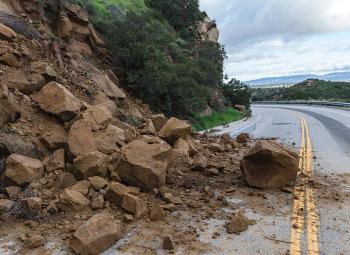
Landslides, often triggered by extreme events such as heavy precipitation, wildfires and earthquakes, pose significant environmental, societal and economic risks. In the mountainous, forested terrain of the West, including Oregon, shallow...
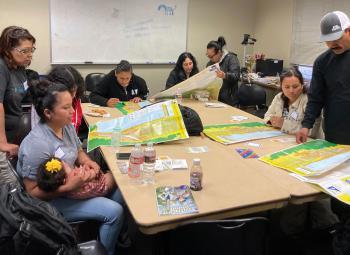
Latino/a/x is the fastest-growing demographic in Oregon and often works in coastal industries located in high tsunami risk areas. This creates a necessity for natural hazard preparedness materials that consider the specific needs and...
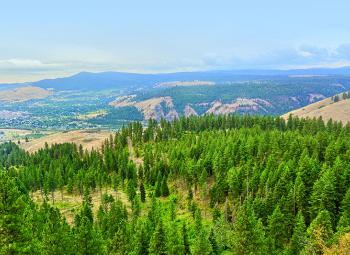
In response to longer and more severe wildfire seasons, a growing population living in the wildland-urban interface and the extensive impacts of the 2020 Labor Day fires, the Oregon Legislature passed Senate Bill 762 in 2021, ...
As a land grant university, Oregon State University takes research and innovation out of the labs and puts them into practice in the communities and landscapes around the state through Extension programs. While OSU’s influence ...
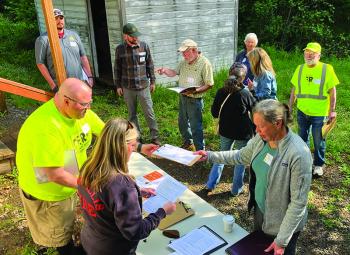
Forest landowners in northeast Oregon are dealing with the effects of nearly a century of fire suppression. With low timber prices and rising wildfire risk, many need financial assistance to complete fuels reduction and forest ...
Mar 2024 |
Impact Story
Credit: Central Oregon Fire Prevention Cooperative (Cropped from original)
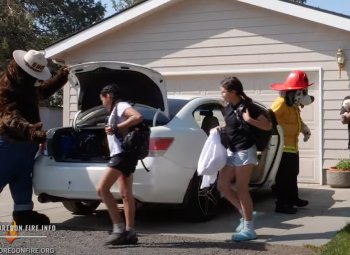
In Central Oregon, wildfire ignitions have increased as more people recreate in local forests, build campfires, burn debris, and use equipment to manage their properties. Combined with a century of fire suppression and a changing ...
Wildfires play an important ecological role, but when they threaten homes and infrastructure, the consequences can be severe. Research shows that building materials, home condition and the type of vegetation within the first 100 ...
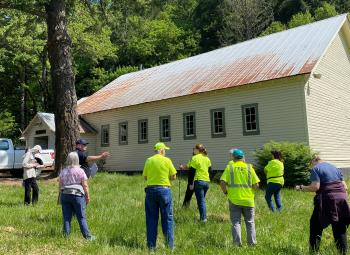
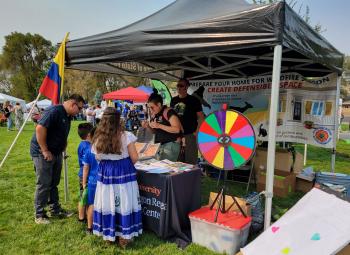
Oregon State University Forestry and Natural Resources Extension Program (FNR) is working to create welcoming, engaging spaces where people can come together to learn how to prepare for wildfires. In recent years, wildfires in ...