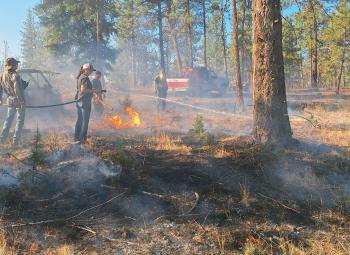
More than a century of fire exclusion has reshaped forests and rangelands across Eastern Oregon. Without regular low-intensity fire, fuels have built up, increasing the risk of larger, more severe wildfires. Community-led burning ...
Cattle production is one of Oregon’s leading agricultural commodities. To maintain market access and consumer confidence, beef producers must meet evolving standards for animal health, handling and traceability. The Beef Quality ...
Asthma is the top cause of absenteeism in U.S. public K–12 schools. In Oregon, common school pests such as mice, cockroaches and flies can trigger asthma and spread diseases including E. coli, Lyme disease and salmonellosis. ...
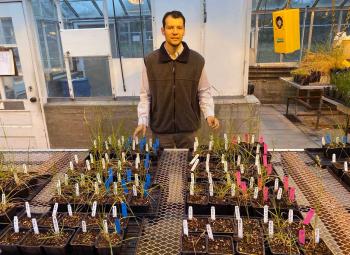
Weeds pose a serious threat to Oregon agriculture. They reduce yields, lower seed and grain quality, and can keep shipments from meeting market standards. This challenge is statewide although its impacts vary by region. The ...
Farmers and ranchers face intense stress from crop failures, market changes, unpredictable weather, injuries and more. These pressures contribute to rising rates of depression — and, too often, suicide. According to the Centers for...
The direct value of the wheat harvest in Oregon in 2022 was approximately $431 million, ranking sixth in value among the state's agricultural commodities. That economic weight means growers stay vigilant against threats to yield ...
Invasive annual grasses are a growing threat to the Great Basin desert ecosystem which includes much of Eastern Oregon. These grasses — such as medusahead, cheatgrass and ventenata — displace native plants, reduce habitat ...
Oregon’s sagebrush ecosystem has declined by about 50% over the past 150 years due to invasive annual grasses, increased wildfire activity and encroaching conifers. This large-scale habitat loss has contributed to declines in ...
For more than 60 years, Outdoor School has provided Oregon students with a unique opportunity to learn about science and the natural world through direct experience. What began in 1957 in Southern Oregon quickly expanded, with ...
The cattle industry is a significant part of Oregon's economy, contributing over $900 million annually. It consistently ranks first or second among the state’s most-valued agricultural commodities, providing numerous employment ...