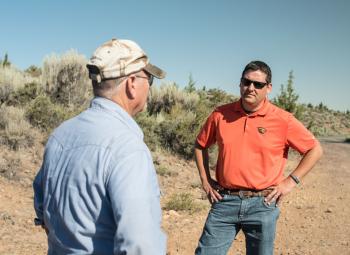
In ranching, traditional fencing requires significant labor and financial investment to install and maintain. Physical fences are rigid and can limit the ability to adapt grazing patterns to changing environmental conditions. Physical ...
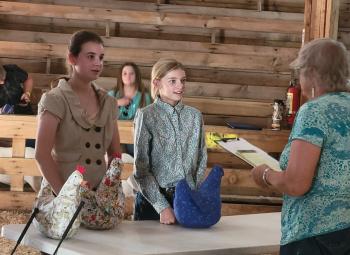
When highly pathogenic avian influenza (HPAI) was first detected in Oregon in May 2022, commercial poultry farms were forced to cull infected birds, backyard chicken owners worried about their flocks, and 4-H members faced ...
Stinging nettle is a plant that can sting and cause welts, but when the sting is removed a traditional “superfood” emerges. Native Indigenous peoples have gathered stinging nettles since time immemorial. They can be used ...
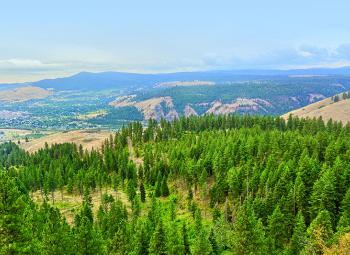
In response to longer and more severe wildfire seasons, a growing population living in the wildland-urban interface and the extensive impacts of the 2020 Labor Day fires, the Oregon Legislature passed Senate Bill 762 in 2021, ...
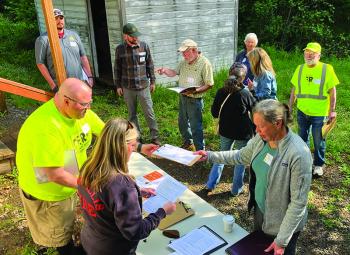
As a land grant university, Oregon State University takes research and innovation out of the labs and puts them into practice in the communities and landscapes around the state through Extension programs. While OSU’s influence ...
Antibiotics are a powerful tool against bacterial disease, but widespread use in people and animals has led some bacteria to evolve into drug‑resistant strains. Each year in the United States, more than 2.8 million ...
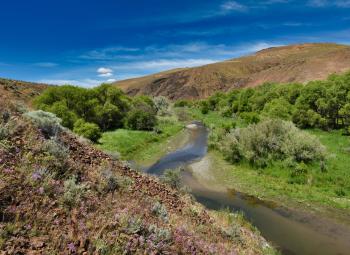
Riparian areas — streamside zones near rivers, creeks, wetlands and other water bodies — support 80% of wildlife in arid rangelands, even though they make up just 2% of sagebrush landscapes. These areas are essential to ...