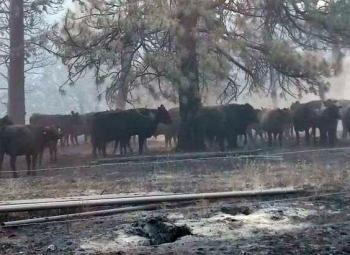
Oregon’s cattle industry is a major part of the state’s agricultural economy. The Oregon Department of Agriculture ranks cattle and calves as Oregon’s No. 2 agricultural commodity, with a production value of about $791.5 ...
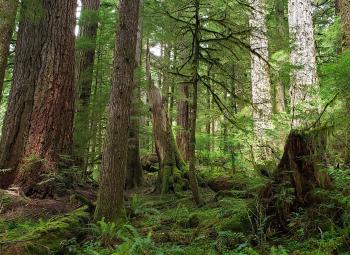
Mature and old-growth forests are among the Pacific Northwest’s most valuable natural assets. They store large amounts of carbon, provide wildlife habitat, support water systems and contribute to recreation, tourism and other public...
Cattle production is one of Oregon’s leading agricultural commodities. To maintain market access and consumer confidence, beef producers must meet evolving standards for animal health, handling and traceability. The Beef Quality ...
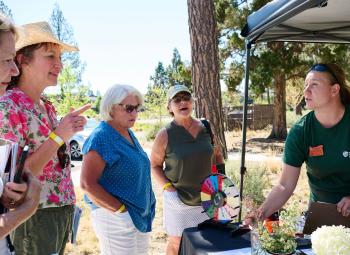
In Central Oregon, rapid population growth and dry conditions are increasing pressure on water, landscapes and wildfire risk. More homes are being built in the wildland-urban interface, where development meets forests and rangelands. ...
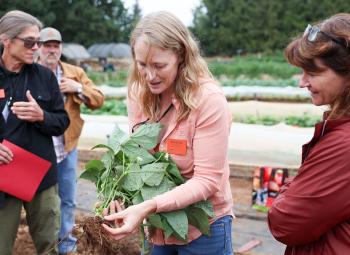
Across Oregon, agricultural producers want to improve soil health to strengthen productivity, reduce risk and build resilience. But many still lack practical, trusted guidance to interpret soil health and fertility results and connect...
Asthma is the top cause of absenteeism in U.S. public K–12 schools. In Oregon, common school pests such as mice, cockroaches and flies can trigger asthma and spread diseases including E. coli, Lyme disease and salmonellosis. ...
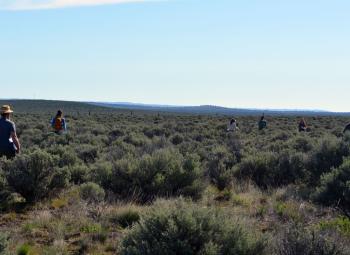
The sagebrush biome is the largest native ecosystem in North America and one of the most at risk. Altered fire regimes, expanding juniper and invasive annual grasses have made management more difficult across Oregon and the ...
Oregon’s wildfire risk varies widely by landscape, climate, housing patterns and community capacity. That diversity makes it difficult to rely on a one-size-fits-all approach to training. This project helps Oregon use public ...
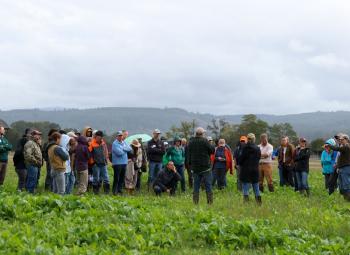
Pasture, hay and forage crops cover a large share of Oregon’s agricultural landscape. In 2024, growers harvested more than 1 million acres of hay and grazed more than 250,000 acres of irrigated pastureland. Even so, forage ...
In the high desert of Central Oregon, farmers produce some of the world’s most valuable hybrid carrot seed. But their fields face a persistent and costly threat: a plant disease called bacterial blight, caused by the ...