Invasive annual grasses are a growing threat to the Great Basin desert ecosystem which includes much of Eastern Oregon. These grasses — such as medusahead, cheatgrass and ventenata — displace native plants, reduce habitat ...
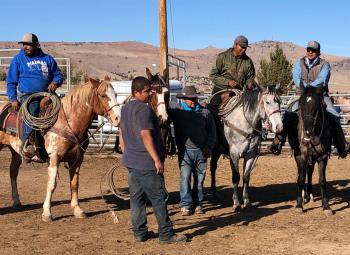
An overpopulation of wild horses on the tribal lands of the Confederated Tribes of Warm Springs has caused serious damage to the native ecosystem. Overgrazing by the horses contributes to the spread of invasive annual weeds ...
Small-acreage farms in Oregon play a crucial role in the state's agricultural landscape. According to the 2022 Census of Agriculture, a majority of the 35,547 farms in Oregon are small acreage, meaning they are 50 acres or ...
Stinging nettle is a plant that can sting and cause welts, but when the sting is removed a traditional “superfood” emerges. Native Indigenous peoples have gathered stinging nettles since time immemorial. They can be used ...
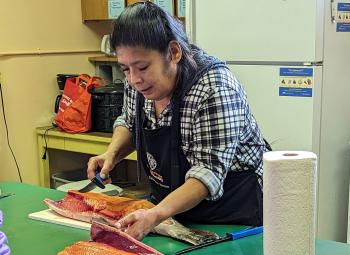
Oregon State University Extension Service’s traditional foods preservation program at its office in the Confederated Tribes of Warm Springs community has been a highly desired and appreciated program for decades. It has focused on...
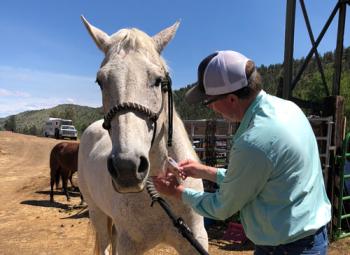
Equine infectious anemia (EIA) is a serious, incurable disease that affects horses, donkeys and mules. Horses that survive infection remain carriers for life, putting other animals at risk. A tiny amount of infected blood — ...
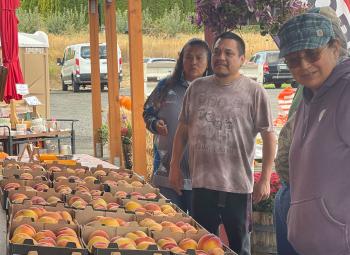
In summer 2022, high temperatures, gas prices and food costs strained families across Oregon. In the Confederated Tribes of Warm Springs, where food preservation is an essential part of household food security, many residents ...