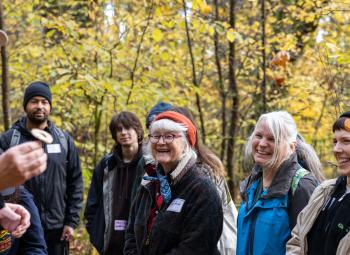
Many Oregonians have limited access to practical, science-based forest education. That can reduce public understanding of forest ecology and management and weaken confidence in stewardship and natural resource decision-making. By combining...
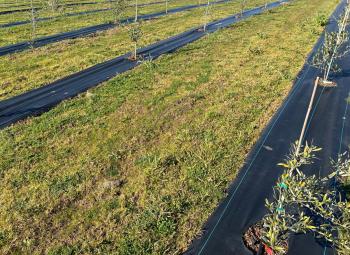
Interest in growing olives — a high-value specialty crop — is increasing in Oregon. However, research-based information on cultivar selection and production practices for the state is limited. Primary challenges include damage from...
Oregon’s wildfire risk varies widely by landscape, climate, housing patterns and community capacity. That diversity makes it difficult to rely on a one-size-fits-all approach to training. This project helps Oregon use public ...
Mar 2026 |
Impact Story
Credit: Oregon Sea Grant Extension (Cropped from original)
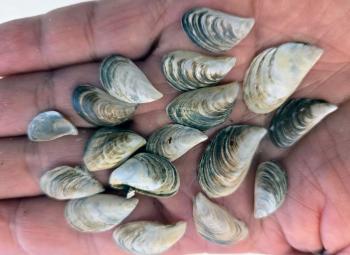
Invasive species are nonnative plants and animals that can spread quickly and cause environmental or economic harm. In Oregon, they harm agriculture, aquaculture and forests, damage infrastructure, habitats, outcompete native species for...
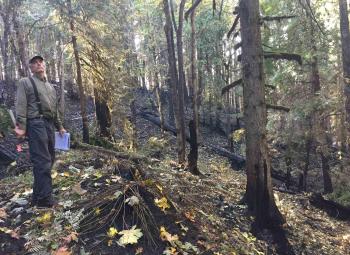
Severe wildfires have affected more than 6,000 landowners in Oregon since 2020, and postfire restoration on private, nonindustrial forestlands has been uneven statewide. To better understand what helps landowners restore their ...
Mar 2026 |
Impact Story
Credit: Aaron Becerra-Alvarez (Cropped from original)
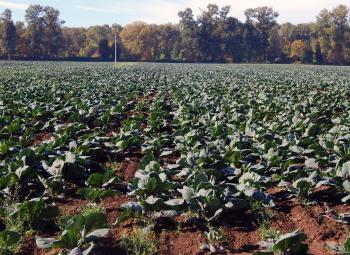
Vegetable specialty seed production is a cornerstone of agriculture in the Pacific Northwest. More than 170 seed crops — including brassicas, spinach, radish, carrot, onion and many others — are grown on relatively small ...
Nearly all U.S. households use some form of food preservation to extend the shelf life of perishable foods, stretch food budgets and prevent waste. A 2024 nationwide survey found that 49% of households preserved food through ...
Mar 2026 |
Impact Story
Credit: Katterlea MacGregor (Cropped from original)
The Oregon State University College of Forestry owns and manages the McDonald-Dunn Research Forest, an 11,500-acre, heavily visited forest north of Corvallis. After three years of collaboration among scientists, educators, tribes and ...
Mar 2026 |
Impact Story
Credit: Todd Anderson/Oso Honey Farm (Cropped from original)
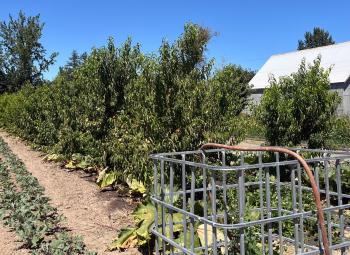
Oregon’s tree fruit and nut industries are a cornerstone of rural economies, supporting farm jobs, packing and processing and regional supply chains. Pears, apples and sweet cherries alone totaled $227.9 million in farm gate ...
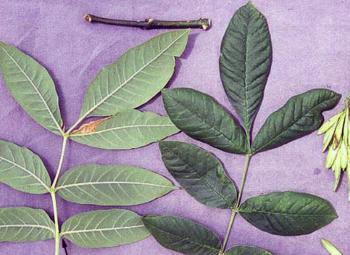
Oregon ash (Fraxinus latifolia) is an ecologically important West Coast tree that may disappear from much of its range — from British Columbia to California — as emerald ash borer, an invasive insect, spreads in North ...