State Senate District 27

OSU survey highlights weed challenges in Oregon agriculture

Weeds pose a serious threat to Oregon agriculture. They reduce yields, lower seed and grain quality, and can keep shipments from meeting market standards. This challenge is statewide although its impacts vary by region. The ...

Oct 2025 | Impact Story

Oregon State research shows how grazing timing affects sagebrush wildlife

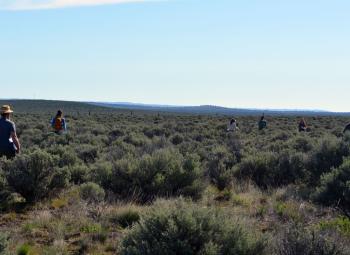
The sagebrush ecosystem — a vast, dry landscape that supports hundreds of wildlife species and livelihoods in the West — is shrinking and changing. Livestock grazing is the dominant land-use across much of this ecosystem. ...

Oct 2025 | Impact Story

New OSU study shows persistent airborne spread of carrot disease

In the high desert of Central Oregon, farmers produce some of the world’s most valuable hybrid carrot seed. But their fields face a persistent and costly threat: a plant disease called bacterial blight, caused by the ...

Jul 2025 | Impact Story

OSU Extension enhances mental health support for rural Oregonians

Farmers and ranchers face intense stress from crop failures, market changes, unpredictable weather, injuries and more. These pressures contribute to rising rates of depression — and, too often, suicide. According to the Centers for...

Jul 2025 | Impact Story

OSU rangeland researchers help mitigate spread of invasive grasses

Invasive annual grasses are a growing threat to the Great Basin desert ecosystem which includes much of Eastern Oregon. These grasses — such as medusahead, cheatgrass and ventenata — displace native plants, reduce habitat ...

May 2025 | Impact Story

OSU builds partnerships to conserve the sagebrush ecosystem

Oregon’s sagebrush ecosystem has declined by about 50% over the past 150 years due to invasive annual grasses, increased wildfire activity and encroaching conifers. This large-scale habitat loss has contributed to declines in ...

May 2025 | Impact Story

OSU collaboration leads to investment in resilient food systems in Oregon

Oregon’s farmers continue to suffer losses from drought, heat waves, wildfire and other climate-related challenges. Traditional crop insurance and relief programs often don’t meet the needs of small-scale farmers who grow a wide ...

May 2025 | Impact Story

OSU Honey Bee Lab supports pollinator health, saving beekeepers millions

Honey bees are essential pollinators for crops like apples, blueberries, cherries, melons, almonds and broccoli. In the United States, they contribute an estimated $20 billion in crop pollination each year. But over the past 50 ...

May 2025 | Impact Story

Oregon IPM Center leads the way to better pest management

Pesticides are commonly used in agriculture to manage serious pest problems. But not all pesticides carry the same level of risk. Broad-spectrum pesticides can affect earthworms, birds and other beneficial species. Some can also ...

May 2025 | Impact Story

OSU study highlights benefit of reduced watering for tall fescue

Turfgrass generally needs a lot of water to stay green and healthy during hot and dry periods. In cooler, wetter climates like the coastal Pacific Northwest, there is plenty of rain from October to June, but very little ...

Apr 2025 | Impact Story