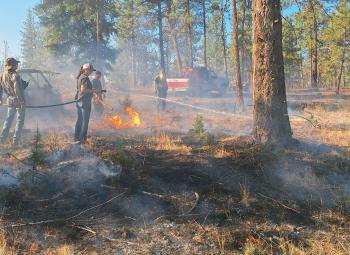
More than a century of fire exclusion has reshaped forests and rangelands across Eastern Oregon. Without regular low-intensity fire, fuels have built up, increasing the risk of larger, more severe wildfires. Community-led burning ...
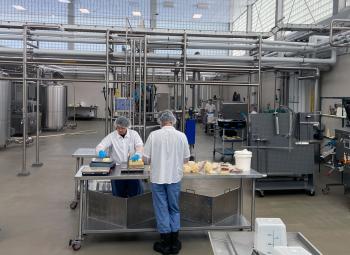
Oregon’s dairy industry is a major contributor to the state’s economy, generating hundreds of millions of dollars in annual sales and supporting jobs in production, processing and value-added products. By helping processors meet ...
Cattle production is one of Oregon’s leading agricultural commodities. To maintain market access and consumer confidence, beef producers must meet evolving standards for animal health, handling and traceability. The Beef Quality ...
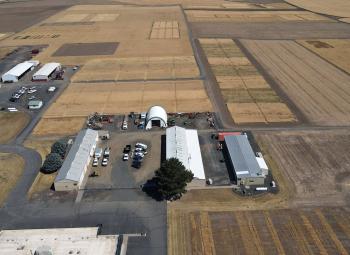
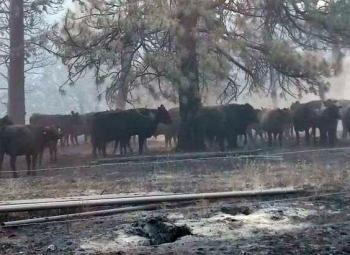
Wildfires are increasingly impacting agricultural lands in Eastern Oregon due to a changing climate, invasive annual grasses and evolving farming practices. Dryland wheat producers have adopted no-till systems to reduce erosion and ...
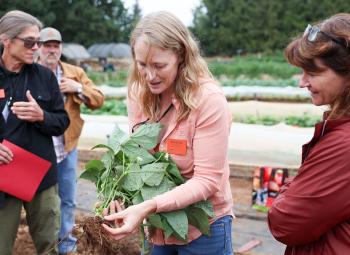
Across Oregon, agricultural producers want to improve soil health to strengthen productivity, reduce risk and build resilience. But many still lack practical, trusted guidance to interpret soil health and fertility results and connect...
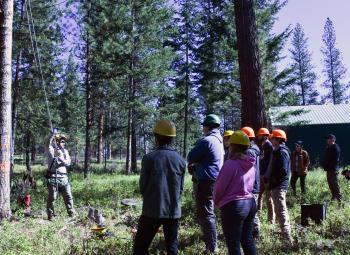
Communities across Eastern Oregon need more trained workers to reduce wildfire risk and manage forests safely. Fuels reduction, forest restoration and wildfire preparedness work require skilled crews who understand both forestry ...
Asthma is the top cause of absenteeism in U.S. public K–12 schools. In Oregon, common school pests such as mice, cockroaches and flies can trigger asthma and spread diseases including E. coli, Lyme disease and salmonellosis. ...
Mar 2026 |
Impact Story
Credit: Oregon Sea Grant Extension (Cropped from original)
Invasive species are nonnative plants and animals that can spread quickly and cause environmental or economic harm. In Oregon, they harm agriculture, aquaculture and forests, damage infrastructure, habitats, outcompete native species for...
Pasture, hay and forage crops cover a large share of Oregon’s agricultural landscape. In 2024, growers harvested more than 1 million acres of hay and grazed more than 250,000 acres of irrigated pastureland. Even so, forage ...
Many low-income families face barriers to finding affordable, healthy food and building the skills and confidence needed to cook nutritious meals at home. In communities with limited resources, families may rely on lower-cost options...