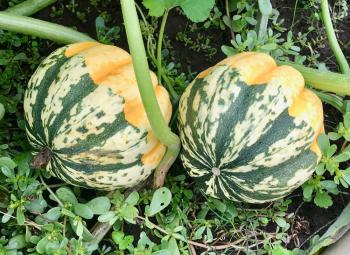
Winter squash is a delicious and nutritious vegetable. Pacific Northwest retail winter squash sales peak in October/November and decline through April when almost all the squash sold in Oregon is imported from California or Mexico....
Following the compounded crises of 2020 through 2022, Oregon saw a sharp increase in mental health challenges — including depression, anxiety, substance use and suicide. The state continues to rank near the bottom nationally for...
During the COVID-19 pandemic, Oregon’s agricultural operations faced heightened pressure to maintain food safety while adjusting to evolving health regulations. As an essential industry, farms remained open, but the need to protect ...
The COVID-19 pandemic forced a shift in how Oregonians accessed gardening education. In response to restrictions on in-person programming, the Oregon State University Extension Service Master Gardener program began delivering presentations...
The spotted lanternfly (Lycorma delicatula) is an invasive insect pest that has been spreading rapidly across the United States since its initial detection in Pennsylvania in 2014. It feeds on more than 70 plant species, ...
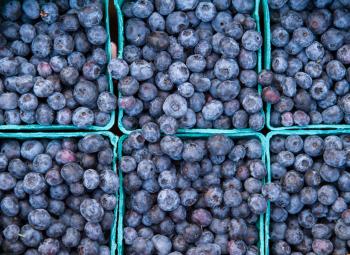
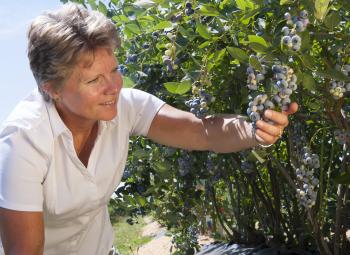
Oregon and Washington produce more blueberries than any other region in the world. In Oregon alone, growers harvest approximately 150 million pounds annually, with a farmgate value exceeding $120 million. A large share of this ...
Jan 2025 |
Impact Story
Credit: trekandphoto - Adobe Stock (Cropped from original)
Landslides, often triggered by extreme events such as heavy precipitation, wildfires and earthquakes, pose significant environmental, societal and economic risks. In the mountainous, forested terrain of the West, including Oregon, shallow...
In 2006, organic blueberry production was a small but growing niche in Oregon — only about 2% of the state’s 4,400 acres were certified organic. Growers faced high input costs, uncertain yield potential, and a lack of ...