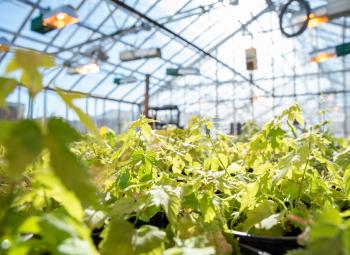
The Pacific Northwest is one of the best regions in the world for growing hops, thanks to its unique terroir and access to irrigation. In Oregon, the Willamette Valley’s rich soil, mild climate and consistent rainfall create...
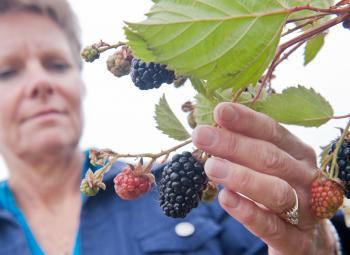
Over the past two decades, the Oregon State University Extension Service and the Oregon Agricultural Experiment Station have focused research on fertilizer practices for blueberries, raspberries, blackberries, strawberries and kiwiberries. ...
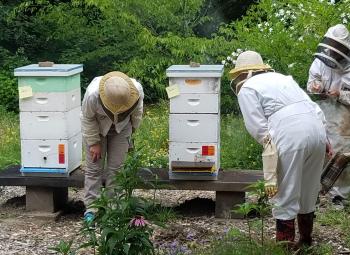
As people increasingly recognize the vital role honeybees play in pollinating key crops, there's a growing interest in raising them in backyards. To support this enthusiasm, the Oregon State University Extension Service launched the...
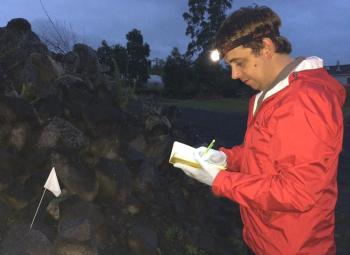
Scientists estimate there’s a 37% chance that a magnitude 8.0 or greater earthquake will strike off the Pacific Northwest coast in the next 50 years. When it happens, the Cascadia Subduction Zone event — and the tsunami ...
Slugs have plagued crops since ancient times — and they continue to cause billions of dollars in agricultural damage globally each year. In Oregon, slugs inflict an estimated $60–100 million in damage to the grass seed ...
In response to longer and more severe wildfire seasons, a growing population living in the wildland-urban interface and the extensive impacts of the 2020 Labor Day fires, the Oregon Legislature passed Senate Bill 762 in 2021, ...
As a land grant university, Oregon State University takes research and innovation out of the labs and puts them into practice in the communities and landscapes around the state through Extension programs. While OSU’s influence ...
Farm-to-school programs provide nutrition education, access to local foods, and agricultural education, serving families inside and outside the classroom. Classrooms that participate in farm-to-school programs such as farm field trips, ...
Farm-to-school educational opportunities have been shown to result in positive impacts on young people, including introducing them to creative ways of learning about how to grow their own food and understanding a local food system....
About 25% of private wells in the United States contain contaminants known to increase the risk of chronic diseases. Arsenic and nitrate are among the most commonly detected contaminants. In Oregon, approximately 23% of residents ...