Oregon ranks high in fruit and vegetable consumption, but many households, classrooms and community sites still struggle to grow and use produce year-round. The COVID-19 pandemic highlighted a clear need for simple, bilingual, ...
In 2024, Oregon State University Extension Service Master Gardener volunteers met Oregonians where they were. Across the state, people were looking for affordable, healthy food, practical and culturally meaningful gardening education, ...
Weeds pose a serious threat to Oregon agriculture. They reduce yields, lower seed and grain quality, and can keep shipments from meeting market standards. This challenge is statewide although its impacts vary by region. The ...
Oct 2025 |
Impact Story
Credit: Oregon State University (Cropped from original)
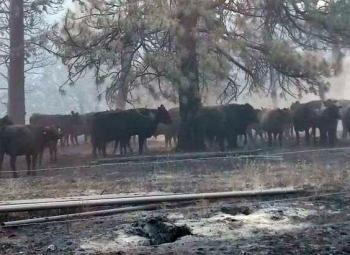
The sagebrush ecosystem — a vast, dry landscape that supports hundreds of wildlife species and livelihoods in the West — is shrinking and changing. Livestock grazing is the dominant land-use across much of this ecosystem. ...
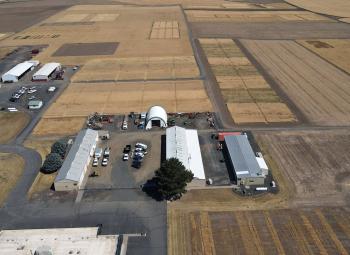
Russian thistle (Salsola tragus), also known as tumbleweed, is a persistent summer annual weed and an ongoing challenge for wheat growers in Eastern Oregon. The weed infests nearly 5 million acres across the Pacific Northwest, ...
Research shows that Oregon needs workforce development strategies for youths. According to the 2020 Oregon Workforce and Talent Board report on essential employability skills, youths need soft skills to help them succeed as employees...
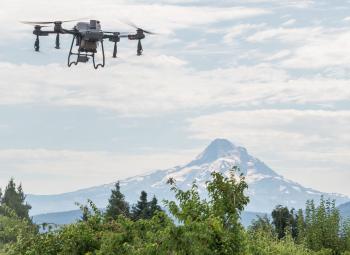
Blueberry production is a major agricultural force in Oregon and Washington. Together, the two states account for roughly 55% of the United States’ cultivated blueberry production, with Washington producing about 29% of the U.S. ...
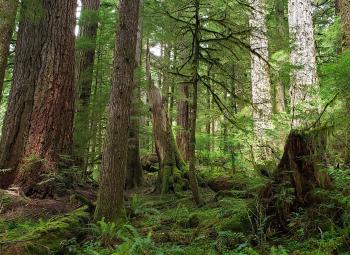
Oregon has about 44,000 private woodland owners managing 3.5 million acres of forestland. These lands make up 12% of the state’s forests and contribute to economic vitality and environmental health. The program equips landowners ...
In the high desert of Central Oregon, farmers produce some of the world’s most valuable hybrid carrot seed. But their fields face a persistent and costly threat: a plant disease called bacterial blight, caused by the ...
Dry bulb onions are a vital crop in the Treasure Valley of Eastern Oregon and southwestern Idaho. About 10,000 hectares are planted each year, contributing more than $120 million to the region’s economy. But onion farming is...