Oregon’s forest sector is a vital part of the state’s economy and communities. It ranks third in Oregon’s gross domestic product, producing 28% of the nation’s plywood and 16.5% of U.S. lumber. But the industry faces ...
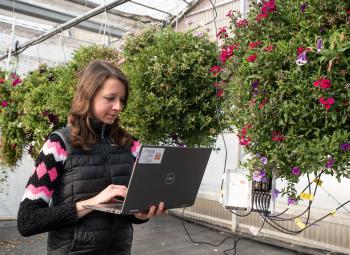
The nursery and greenhouse industry is the most valuable agricultural commodity in Oregon. A national leader, Oregon is the third largest nursery producing state in the United States. This prominent position is due to the state's...
Latino students make up nearly 25% of Oregon’s K–12 public school population yet face persistent barriers to college access. Nationally, only 58% of Hispanic high school completers enrolled in college immediately in 2022 and ...
Older adults in Oregon face several health challenges, including chronic conditions such as heart disease, diabetes, arthritis and hypertension. Many older adults have mobility challenges due to muscle weakness, joint pain and low ...
Jan 2025 |
Impact Story
Courtesy: Tanya Kindrachuk (Cropped from original)
Research shows that people of color are far less likely to engage in nature-based outdoor recreation activities, with historic discrimination being a large underlying factor. People of color are three times more likely than white ...
Families in Oregon face several challenges when it comes to finding quality child care. Because there is a significant shortage of child care slots, especially for infants and toddlers, many families struggle to find available ...
Research shows that while 80% of community college students intend to earn a bachelor’s degree, only 25% transfer to a four-year college within five years — and just 17% earn a bachelor’s degree within six years of ...
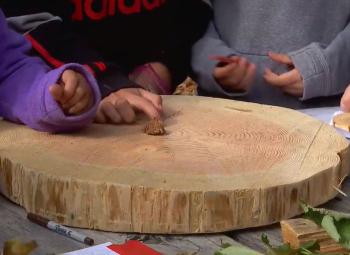
Clatsop County is 87% forestland, with a mix of public and private ownership. Though the area is rich in natural resources, few local students and families are aware of the career opportunities around them. Forestry jobs in ...
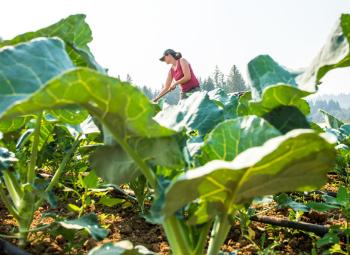
Across the United States, the number of women in agriculture continues to grow. According to the 2022 Census of Agriculture, 1.2 million women now make up 36.3% of all U.S. farm producers. In Oregon, that number is even ...
Data show that among school-age children, low physical activity, poor diet, and extended periods of inactivity are associated not only with poor health but also with poor educational outcomes. In 2007, Oregon passed a law ...