Agriculture

OSU research cuts labor costs in blackberry production

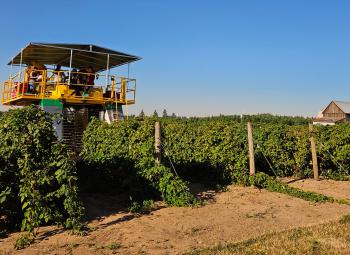
Oregon is a leading production state for machine-harvested trailing blackberries, an industry that supports growers, processors and rural communities. ‘Columbia Star’ has quickly become one of the region’s most widely planted ...

Apr 2026 | Impact Story

OSU helps grow dairy workforce skills and industry investment

Oregon’s dairy industry is a major contributor to the state’s economy, generating hundreds of millions of dollars in annual sales and supporting jobs in production, processing and value-added products. By helping processors meet ...

Apr 2026 | Impact Story

Producers gain skills to meet beef market standards

Cattle production is one of Oregon’s leading agricultural commodities. To maintain market access and consumer confidence, beef producers must meet evolving standards for animal health, handling and traceability. The Beef Quality ...

Apr 2026 | Impact Story

OSU convenes food and beverage industry to reduce waste, drive innovation funding

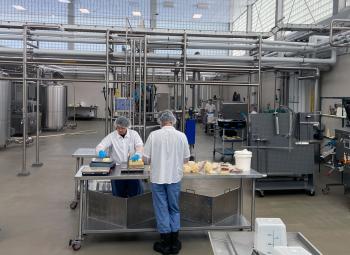
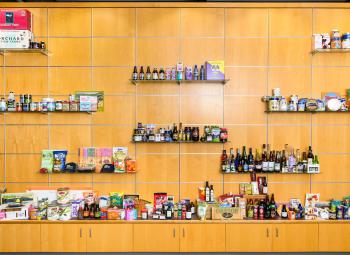
Oregon’s food and beverage industry is a major economic driver, but it faces growing challenges tied to efficiency, sustainability and coordination across the supply chain. By aligning research with industry needs and building ...

Apr 2026 | Impact Story

OSU pruning research helps hazelnut growers cut losses

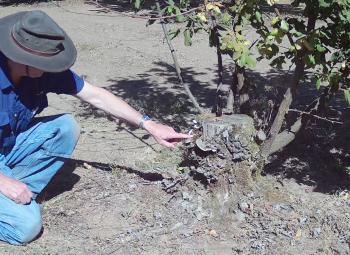
Oregon is the center of the U.S. hazelnut industry, and the crop is an important driver of farm income, processing activity and rural economic vitality in the Willamette Valley. Hazelnuts support growers, nurseries, processors, ...

Apr 2026 | Impact Story

Central Oregon gardeners gain ecological, fire-resistant skills

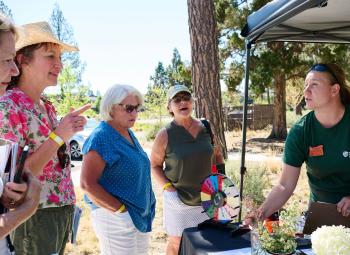
In Central Oregon, rapid population growth and dry conditions are increasing pressure on water, landscapes and wildfire risk. More homes are being built in the wildland-urban interface, where development meets forests and rangelands. ...

Apr 2026 | Impact Story

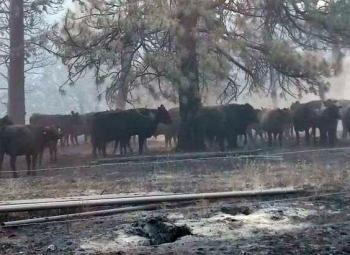
Farmers build skills to reduce wildfire risk

Wildfires are increasingly impacting agricultural lands in Eastern Oregon due to a changing climate, invasive annual grasses and evolving farming practices. Dryland wheat producers have adopted no-till systems to reduce erosion and ...

Apr 2026 | Impact Story

OSU Extension develops producer-centered soil health program

Across Oregon, agricultural producers want to improve soil health to strengthen productivity, reduce risk and build resilience. But many still lack practical, trusted guidance to interpret soil health and fertility results and connect...

Apr 2026 | Impact Story

Gilliam County producers gain tools and guidance

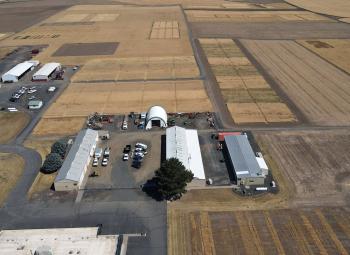
Gilliam County in north-central Oregon is one of the state’s leading dryland wheat-producing regions and part of the Columbia Plateau’s grain belt. The county’s rolling wheat fields support a large share of its agricultural ...

Mar 2026 | Impact Story

OSU Extension, partners develop strategy for gray-tailed vole control

Gray-tailed voles are a recurring pest in Oregon agriculture and can cause serious crop damage when populations surge. In the Willamette Valley, grass seed fields provide prime habitat. By identifying shared priorities and ...

Mar 2026 | Impact Story