Invasive species are nonnative plants and animals that can spread quickly and cause environmental or economic harm. In Oregon, they harm agriculture, aquaculture and forests, damage infrastructure, habitats, outcompete native species for...
Oregon ash (Fraxinus latifolia) is an ecologically important West Coast tree that may disappear from much of its range — from British Columbia to California — as emerald ash borer, an invasive insect, spreads in North ...
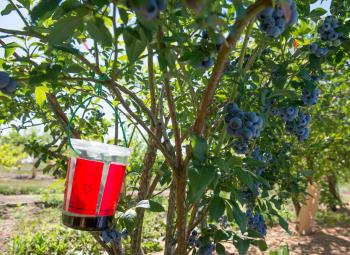
Spotted-wing drosophila is a small fruit fly that can ruin berries right before harvest. Unlike the fruit flies many people know from kitchens, it can lay eggs in firm, ripening fruit still on the plant. The eggs hatch into...
The spotted lanternfly (Lycorma delicatula) is an invasive insect pest that has been spreading rapidly across the United States since its initial detection in Pennsylvania in 2014. It feeds on more than 70 plant species, ...
Pesticides are commonly used in agriculture to manage serious pest problems. But not all pesticides carry the same level of risk. Broad-spectrum pesticides can affect earthworms, birds and other beneficial species. Some can also ...
May 2025 |
Impact Story
Credit: Oregon Department of Forestry (Cropped from original)
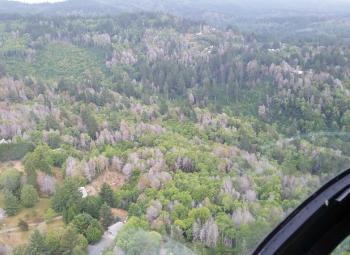
Sudden oak death, caused by the non-native pathogen Phytophthora ramorum, continues to threaten Oregon’s forests and rural communities. The disease has killed hundreds of thousands of tanoak trees in Curry County and contributes to...
Pests and diseases are the curse of the gardener’s existence. One day, there’s a healthy cucumber; the next, it’s a moldy mess. Searching for reliable information can be frustrating, particularly for research-based knowledge ...