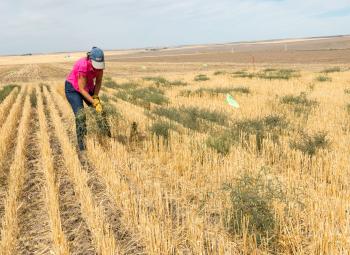
Wildfires are increasingly impacting agricultural lands in Eastern Oregon due to a changing climate, invasive annual grasses and evolving farming practices. Dryland wheat producers have adopted no-till systems to reduce erosion and ...
Asthma is the top cause of absenteeism in U.S. public K–12 schools. In Oregon, common school pests such as mice, cockroaches and flies can trigger asthma and spread diseases including E. coli, Lyme disease and salmonellosis. ...
Oregon is the third-largest producer of sweet cherries in the United States, supplying about 11% of the national market. The state’s sweet cherry industry was valued at $72.5 million in 2024, with most production concentrated ...
Mar 2026 |
Impact Story
Credit: Oregon Sea Grant Extension (Cropped from original)
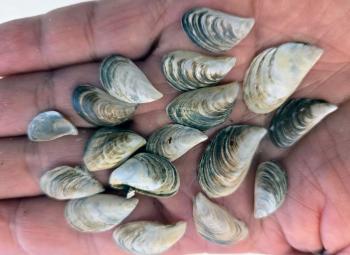
Invasive species are nonnative plants and animals that can spread quickly and cause environmental or economic harm. In Oregon, they harm agriculture, aquaculture and forests, damage infrastructure, habitats, outcompete native species for...
Spotted-wing drosophila is a small fruit fly that can ruin berries right before harvest. Unlike the fruit flies many people know from kitchens, it can lay eggs in firm, ripening fruit still on the plant. The eggs hatch into...
Feb 2026 |
Impact Story
Credit: Natural Resources Conservation Service (Cropped from original)
Wildfire risk continues to increase across Oregon, but access to preparedness education is not evenly distributed. Spanish-speaking renters, farmworkers and forest workers often face barriers that limit their ability to prepare for, ...
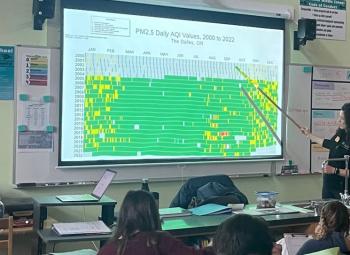
Wildfire smoke has become a recurring health concern in the Columbia River Gorge. The 2020 Labor Day fires brought hazardous air quality levels to the region, breaking previous records. In 2017, the Eagle Creek Fire also ...
In 2024, Oregon State University Extension Service Master Gardener volunteers met Oregonians where they were. Across the state, people were looking for affordable, healthy food, practical and culturally meaningful gardening education, ...
Weeds pose a serious threat to Oregon agriculture. They reduce yields, lower seed and grain quality, and can keep shipments from meeting market standards. This challenge is statewide although its impacts vary by region. The ...
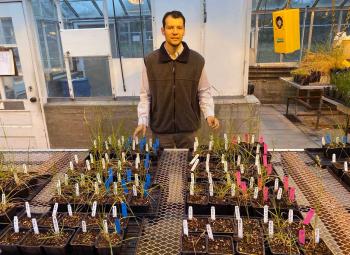
Russian thistle (Salsola tragus), also known as tumbleweed, is a persistent summer annual weed and an ongoing challenge for wheat growers in Eastern Oregon. The weed infests nearly 5 million acres across the Pacific Northwest, ...