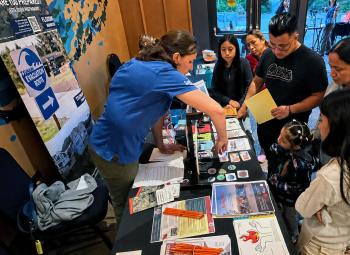
Latine, Hispanic and Central American Indigenous communities on the Oregon Coast often face barriers to accessing health, safety, education and disaster preparedness resources. By reducing language and access barriers, OSU Extension and...
Golf courses contribute to Oregon’s economy through jobs, tourism, recreation and local spending. On each course, putting greens represent the smallest acreage but the highest-value turf because their quality directly affects play, ...
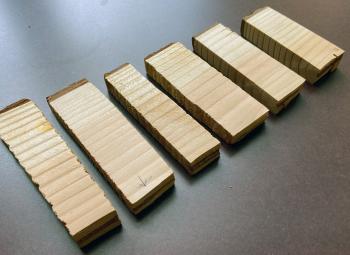
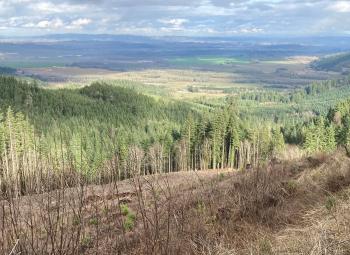
Douglas-fir is the backbone of Oregon’s timber industry and a major source of lumber, engineered wood products and manufacturing fiber in the Pacific Northwest. Better knowledge of how spacing affects wood development can help ...
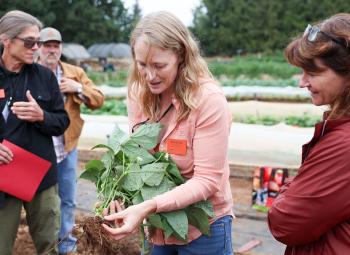
Across Oregon, agricultural producers want to improve soil health to strengthen productivity, reduce risk and build resilience. But many still lack practical, trusted guidance to interpret soil health and fertility results and connect...
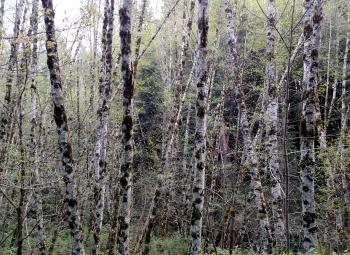
Hardwood trees such as red alder, bigleaf maple and Oregon white oak grow across millions of acres in Oregon and Washington. They shade streams, support wildlife and contribute to forest resilience. A better understanding of the...
Asthma is the top cause of absenteeism in U.S. public K–12 schools. In Oregon, common school pests such as mice, cockroaches and flies can trigger asthma and spread diseases including E. coli, Lyme disease and salmonellosis. ...
Tourism is one of Oregon’s largest economic sectors, and guided trips are an important part of the state’s outdoor recreation economy. Fishing guides, outfitters and tour operators help visitors experience Oregon’s natural areas...
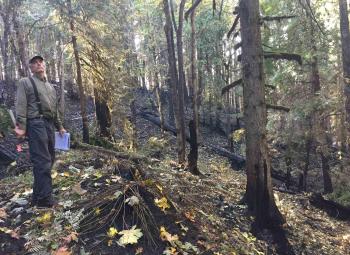
Severe wildfires have affected more than 6,000 landowners in Oregon since 2020, and postfire restoration on private, nonindustrial forestlands has been uneven statewide. To better understand what helps landowners restore their ...
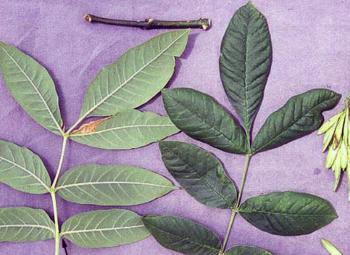
Oregon ash (Fraxinus latifolia) is an ecologically important West Coast tree that may disappear from much of its range — from British Columbia to California — as emerald ash borer, an invasive insect, spreads in North ...
Wildfire risk is rising across the Pacific Northwest at the same time timber prices remain volatile. For timberland owners, that combination can make long harvest rotations harder to justify and can reduce the value of forestland...