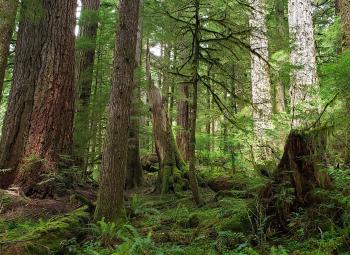
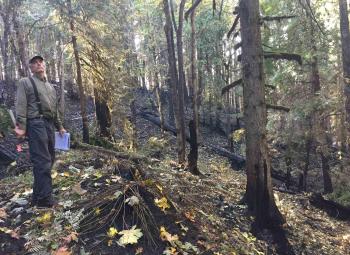
Mature and old-growth forests are among the Pacific Northwest’s most valuable natural assets. They store large amounts of carbon, provide wildlife habitat, support water systems and contribute to recreation, tourism and other public...
Food preservation is a popular practice in Oregon, with more than half of households using methods beyond refrigeration and freezing. It helps families lower food costs, reduce waste and enjoy seasonal foods year-round. These ...
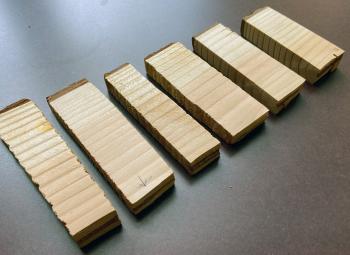
Douglas-fir is the backbone of Oregon’s timber industry and a major source of lumber, engineered wood products and manufacturing fiber in the Pacific Northwest. Better knowledge of how spacing affects wood development can help ...
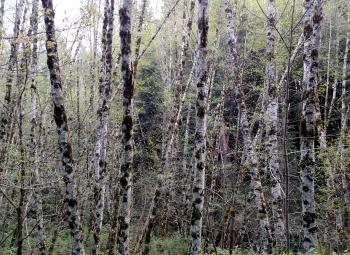
Hardwood trees such as red alder, bigleaf maple and Oregon white oak grow across millions of acres in Oregon and Washington. They shade streams, support wildlife and contribute to forest resilience. A better understanding of the...
Asthma is the top cause of absenteeism in U.S. public K–12 schools. In Oregon, common school pests such as mice, cockroaches and flies can trigger asthma and spread diseases including E. coli, Lyme disease and salmonellosis. ...
Tourism is one of Oregon’s largest economic sectors, and guided trips are an important part of the state’s outdoor recreation economy. Fishing guides, outfitters and tour operators help visitors experience Oregon’s natural areas...
Oregon’s wildfire risk varies widely by landscape, climate, housing patterns and community capacity. That diversity makes it difficult to rely on a one-size-fits-all approach to training. This project helps Oregon use public ...
Mar 2026 |
Impact Story
Credit: Oregon Sea Grant Extension (Cropped from original)
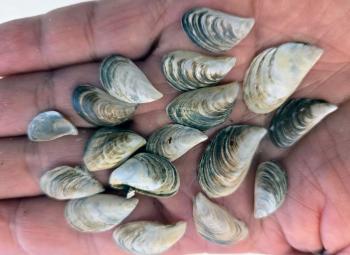
Invasive species are nonnative plants and animals that can spread quickly and cause environmental or economic harm. In Oregon, they harm agriculture, aquaculture and forests, damage infrastructure, habitats, outcompete native species for...
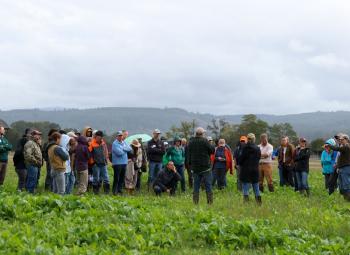
Pasture, hay and forage crops cover a large share of Oregon’s agricultural landscape. In 2024, growers harvested more than 1 million acres of hay and grazed more than 250,000 acres of irrigated pastureland. Even so, forage ...
Severe wildfires have affected more than 6,000 landowners in Oregon since 2020, and postfire restoration on private, nonindustrial forestlands has been uneven statewide. To better understand what helps landowners restore their ...