The 2021 “heat dome” brought record heat to the Pacific Northwest, stressing forests at a scale few managers had seen before. Extreme heat can scorch foliage in the forest canopy, reducing photosynthesis and leaving trees ...
Vegetable farmers in Oregon’s Willamette Valley face growing pressure to stay profitable. Labor shortages, high costs and new regulations have added challenges for producers already competing with low-priced imports. At the same ...
Oregon ranks high in fruit and vegetable consumption, but many households, classrooms and community sites still struggle to grow and use produce year-round. The COVID-19 pandemic highlighted a clear need for simple, bilingual, ...
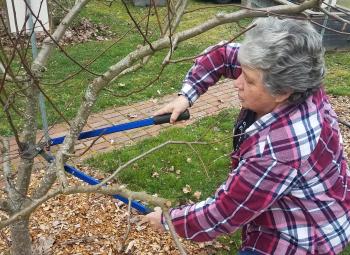
In 2024, Oregon State University Extension Service Master Gardener volunteers met Oregonians where they were. Across the state, people were looking for affordable, healthy food, practical and culturally meaningful gardening education, ...
Weeds pose a serious threat to Oregon agriculture. They reduce yields, lower seed and grain quality, and can keep shipments from meeting market standards. This challenge is statewide although its impacts vary by region. The ...
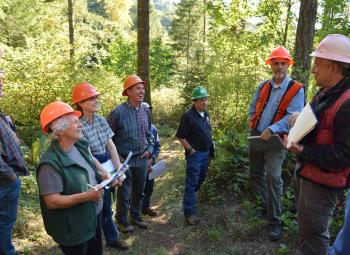
Oregon has about 44,000 private woodland owners managing 3.5 million acres of forestland. These lands make up 12% of the state’s forests and contribute to economic vitality and environmental health. The program equips landowners ...
In Oregon’s Willamette Valley, cabbage maggot (Delia radicum) causes widespread crop damage and significant economic losses. Root vegetables such as radishes, turnips and rutabagas can’t be sold if they show insect feeding, and ...
Clover seed weevil is a serious insect pest that impacts Willamette Valley's white clover seed production. Historically, clover seed growers have relied heavily on broad-spectrum pyrethroid insecticides, including bifenthrin, as a ...
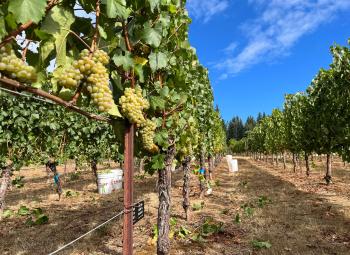
Oregon’s wine industry is known for producing high-quality wines and a wide variety of grape cultivars. Since commercial production began in the 1960s, the state has earned a strong reputation, ranking fourth in the United ...
Oregon’s farmers continue to suffer losses from drought, heat waves, wildfire and other climate-related challenges. Traditional crop insurance and relief programs often don’t meet the needs of small-scale farmers who grow a wide ...