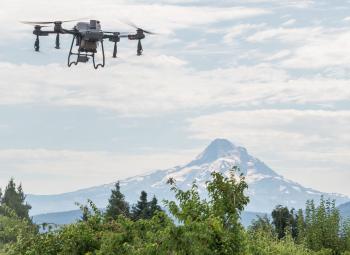
Pear, cherry and apple production are vital to Oregon’s rural economy, with cherry production valued at $68 million and pear production at $90.8 million. But the tree fruit industry faces growing pressure from climate change, ...
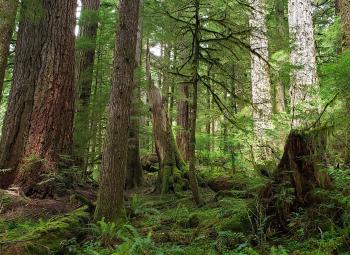
Mature and old-growth forests are among the Pacific Northwest’s most valuable natural assets. They store large amounts of carbon, provide wildlife habitat, support water systems and contribute to recreation, tourism and other public...
Across Jackson County and much of Oregon, restoration and conservation projects often outpace the funding and staff capacity needed to monitor them. At the same time, high school students beginning to consider their future career ...
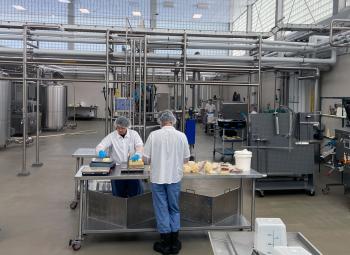
Oregon’s dairy industry is a major contributor to the state’s economy, generating hundreds of millions of dollars in annual sales and supporting jobs in production, processing and value-added products. By helping processors meet ...
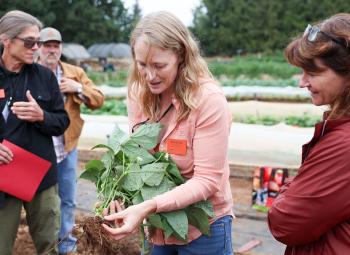
Across Oregon, agricultural producers want to improve soil health to strengthen productivity, reduce risk and build resilience. But many still lack practical, trusted guidance to interpret soil health and fertility results and connect...
Asthma is the top cause of absenteeism in U.S. public K–12 schools. In Oregon, common school pests such as mice, cockroaches and flies can trigger asthma and spread diseases including E. coli, Lyme disease and salmonellosis. ...
Oregon’s wildfire risk varies widely by landscape, climate, housing patterns and community capacity. That diversity makes it difficult to rely on a one-size-fits-all approach to training. This project helps Oregon use public ...
Mar 2026 |
Impact Story
Credit: Oregon Sea Grant Extension (Cropped from original)
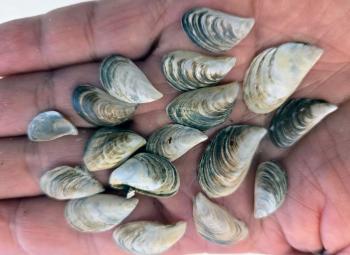
Invasive species are nonnative plants and animals that can spread quickly and cause environmental or economic harm. In Oregon, they harm agriculture, aquaculture and forests, damage infrastructure, habitats, outcompete native species for...
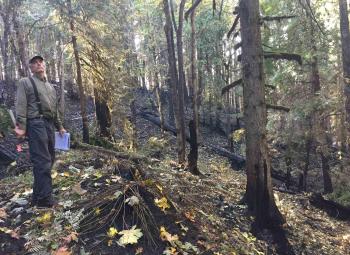
Severe wildfires have affected more than 6,000 landowners in Oregon since 2020, and postfire restoration on private, nonindustrial forestlands has been uneven statewide. To better understand what helps landowners restore their ...
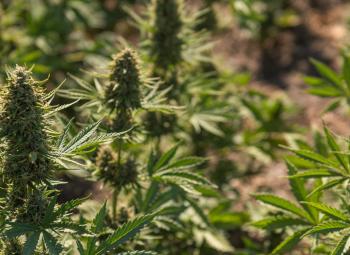
Floral hemp production expanded rapidly after the 2018 federal farm bill, but practical production guidelines have lagged, especially in semi-arid regions where water is limited and irrigation costs are rising. Many growers assumed ...