State House District 1

OSU study links stand spacing to Douglas-fir wood value

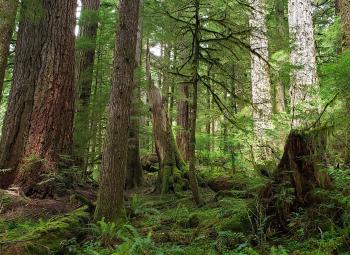
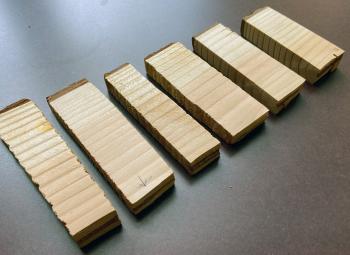
Douglas-fir is the backbone of Oregon’s timber industry and a major source of lumber, engineered wood products and manufacturing fiber in the Pacific Northwest. Better knowledge of how spacing affects wood development can help ...

Apr 2026 | Impact Story

OSU Extension develops producer-centered soil health program

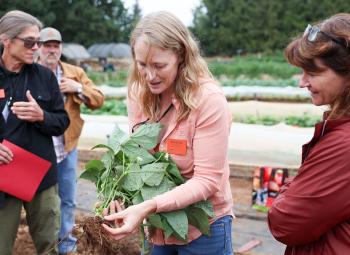
Across Oregon, agricultural producers want to improve soil health to strengthen productivity, reduce risk and build resilience. But many still lack practical, trusted guidance to interpret soil health and fertility results and connect...

Apr 2026 | Impact Story

OSU research explores western hardwood challenges

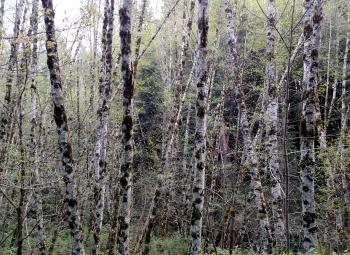
Hardwood trees such as red alder, bigleaf maple and Oregon white oak grow across millions of acres in Oregon and Washington. They shade streams, support wildlife and contribute to forest resilience. A better understanding of the...

Apr 2026 | Impact Story

School IPM Program protects health and safety of Oregon children

Asthma is the top cause of absenteeism in U.S. public K–12 schools. In Oregon, common school pests such as mice, cockroaches and flies can trigger asthma and spread diseases including E. coli, Lyme disease and salmonellosis. ...

Mar 2026 | Impact Story

Outdoor tour guides build skills and connections statewide

Tourism is one of Oregon’s largest economic sectors, and guided trips are an important part of the state’s outdoor recreation economy. Fishing guides, outfitters and tour operators help visitors experience Oregon’s natural areas...

Mar 2026 | Impact Story

Partnership improves wildfire preparedness across Oregon communities

Oregon’s wildfire risk varies widely by landscape, climate, housing patterns and community capacity. That diversity makes it difficult to rely on a one-size-fits-all approach to training. This project helps Oregon use public ...

Mar 2026 | Impact Story

OSU helps Oregon strengthen invasive species defense

Invasive species are nonnative plants and animals that can spread quickly and cause environmental or economic harm. In Oregon, they harm agriculture, aquaculture and forests, damage infrastructure, habitats, outcompete native species for...

Mar 2026 | Impact Story

OSU symposium strengthens Oregon pasture resilience

Pasture, hay and forage crops cover a large share of Oregon’s agricultural landscape. In 2024, growers harvested more than 1 million acres of hay and grazed more than 250,000 acres of irrigated pastureland. Even so, forage ...

Mar 2026 | Impact Story

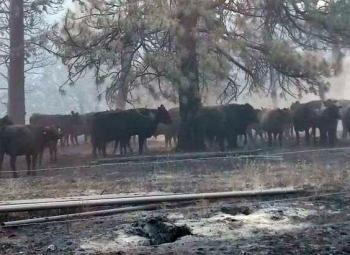
Postfire survey tools help landowners restore forests after wildfire

Severe wildfires have affected more than 6,000 landowners in Oregon since 2020, and postfire restoration on private, nonindustrial forestlands has been uneven statewide. To better understand what helps landowners restore their ...

Mar 2026 | Impact Story

OSU-USDA genomics study stiffens Oregon sudden oak death defenses

Sudden oak death has killed tanoaks and oaks along the West Coast for decades, altering forests, wildlife habitat and cultural resources. In southwest Oregon, it forces hard choices about quarantine, eradication and how to protect...

Mar 2026 | Impact Story