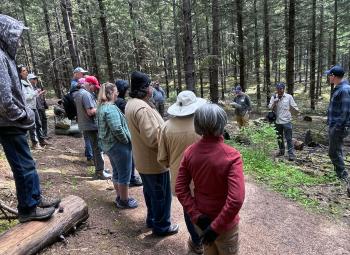
Washington County faces increasing wildfire risk as development expands into fire-prone areas, fuels accumulate and climate conditions change. These efforts reduce the likelihood and severity of future wildfire impacts, helping communities...
May 2026 |
Impact Story
Credit: Paulina B. Ramírez (Cropped from original)
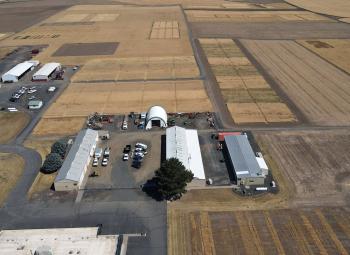
Dryland wheat production is a cornerstone of agriculture in Eastern Oregon, where growers operate in a semiarid climate with limited rainfall and narrow margins for managing soil moisture, fertility and crop risk. By showing that ...
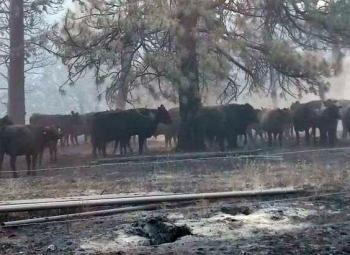
Oregon’s cattle industry is a major part of the state’s agricultural economy. The Oregon Department of Agriculture ranks cattle and calves as Oregon’s No. 2 agricultural commodity, with a production value of about $791.5 ...
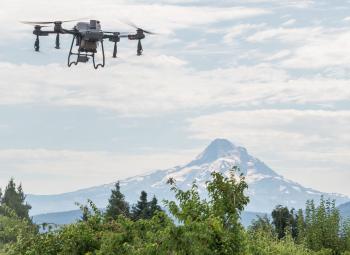
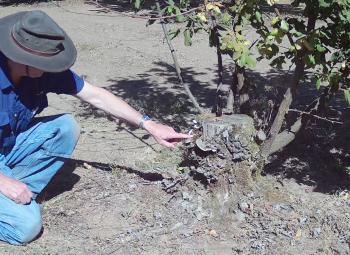
Pear, cherry and apple production are vital to Oregon’s rural economy, with cherry production valued at $68 million and pear production at $90.8 million. But the tree fruit industry faces growing pressure from climate change, ...
Golf courses contribute to Oregon’s economy through jobs, tourism, recreation and local spending. On each course, putting greens represent the smallest acreage but the highest-value turf because their quality directly affects play, ...
Across Jackson County and much of Oregon, restoration and conservation projects often outpace the funding and staff capacity needed to monitor them. At the same time, high school students beginning to consider their future career ...
Food preservation is a popular practice in Oregon, with more than half of households using methods beyond refrigeration and freezing. It helps families lower food costs, reduce waste and enjoy seasonal foods year-round. These ...
Oregon is the center of the U.S. hazelnut industry, and the crop is an important driver of farm income, processing activity and rural economic vitality in the Willamette Valley. Hazelnuts support growers, nurseries, processors, ...
Wildfires are increasingly impacting agricultural lands in Eastern Oregon due to a changing climate, invasive annual grasses and evolving farming practices. Dryland wheat producers have adopted no-till systems to reduce erosion and ...
Oregon is the third-largest producer of sweet cherries in the United States, supplying about 11% of the national market. The state’s sweet cherry industry was valued at $72.5 million in 2024, with most production concentrated ...