Wildfires are increasingly impacting agricultural lands in Eastern Oregon due to a changing climate, invasive annual grasses and evolving farming practices. Dryland wheat producers have adopted no-till systems to reduce erosion and ...
Apr 2026 |
Impact Story
Credit: Natural Resources Conservation Service (Cropped from original)
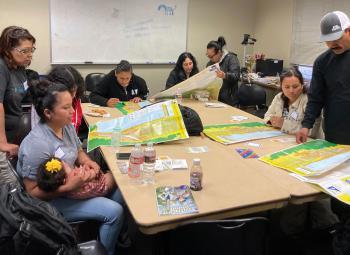
Wildfire risk continues to increase across Oregon, but access to preparedness education is not evenly distributed. Spanish-speaking renters, farmworkers and forest workers often face barriers that limit their ability to prepare for, ...
Henry Hagg Lake in Washington County is a popular spot for outdoor activities like fishing, boating and hiking, in addition to providing essential water resources for the community. Unfortunately, like many areas in the Pacific ...
Mar 2025 |
Impact Story
Credit: Beatriz Botello Salgado (Cropped from original)
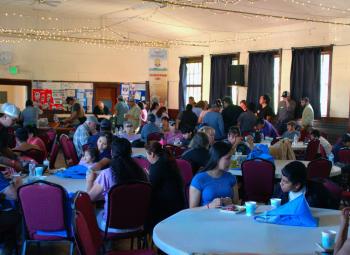
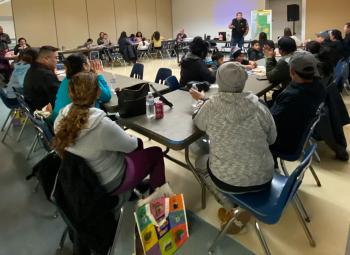
The 2020 Echo Mountain Complex Fire burned more than 2,500 acres and damaged or destroyed 368 structures in Lincoln County. It also revealed major gaps in communication and emergency preparedness for the county’s Latino and ...
To build strong long-term community resilience against wildfires, it's important to involve students. This helps them understand our wildfire-adapted environment and opens career opportunities for them. Agencies like the Oregon Department...
Lincoln County faces numerous hazards, including tsunamis, extreme weather events and wildfires, which can disrupt gas and electric services to households. This disruption limits food preparation options and increases the risk of food...
Latino/a/x is the fastest-growing demographic in Oregon and often works in coastal industries located in high tsunami risk areas. This creates a necessity for natural hazard preparedness materials that consider the specific needs and...
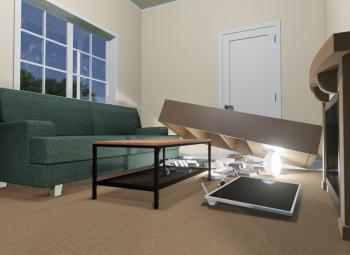
Scientists estimate there’s a 37% chance that a magnitude 8.0 or greater earthquake will strike off the Pacific Northwest coast in the next 50 years. When it happens, the Cascadia Subduction Zone event — and the tsunami ...